11% Off Travel Insurance. T&C's Apply.
10% Off* Travel Insurance! Limited time only. T&Cs apply

By Bec Milligan.
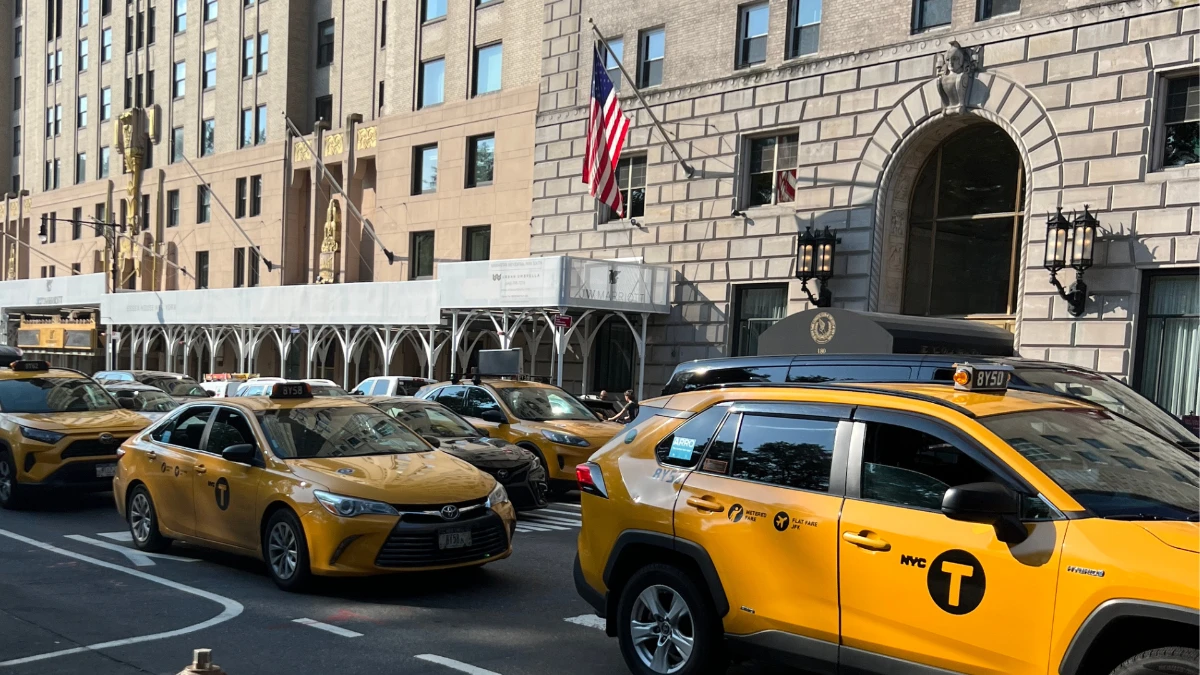
If you’re trying to figure out the best time to go to the United States of America (USA), you’re not alone!
And the honest answer is that it really does depend on what you want to do and where you plan to go; America is enormous.
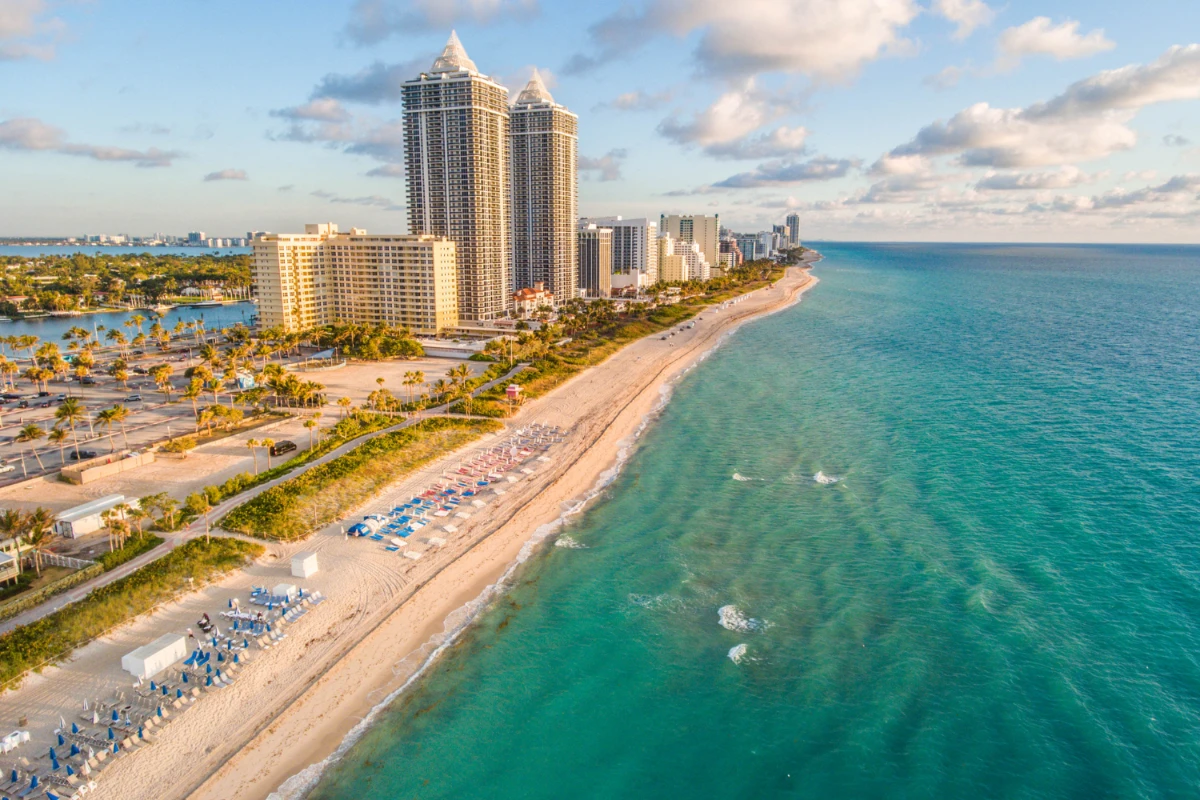
The weather in Miami in January feels nothing like the weather in Chicago. The crowds flooding into national parks in July are a world away from the quiet trails you’ll find in October.
So rather than giving you one-size-fits-all advice, this practical guide breaks it down in a way that actually helps you plan.
There is no single ‘best’ month to visit America, because the country’s sheer size means different regions peak at completely different times of year.
Spring (March to May) is widely loved for good reason. Prices are moderate, the weather is mild, and you get the benefit of spring blossoms without the summer crowds.
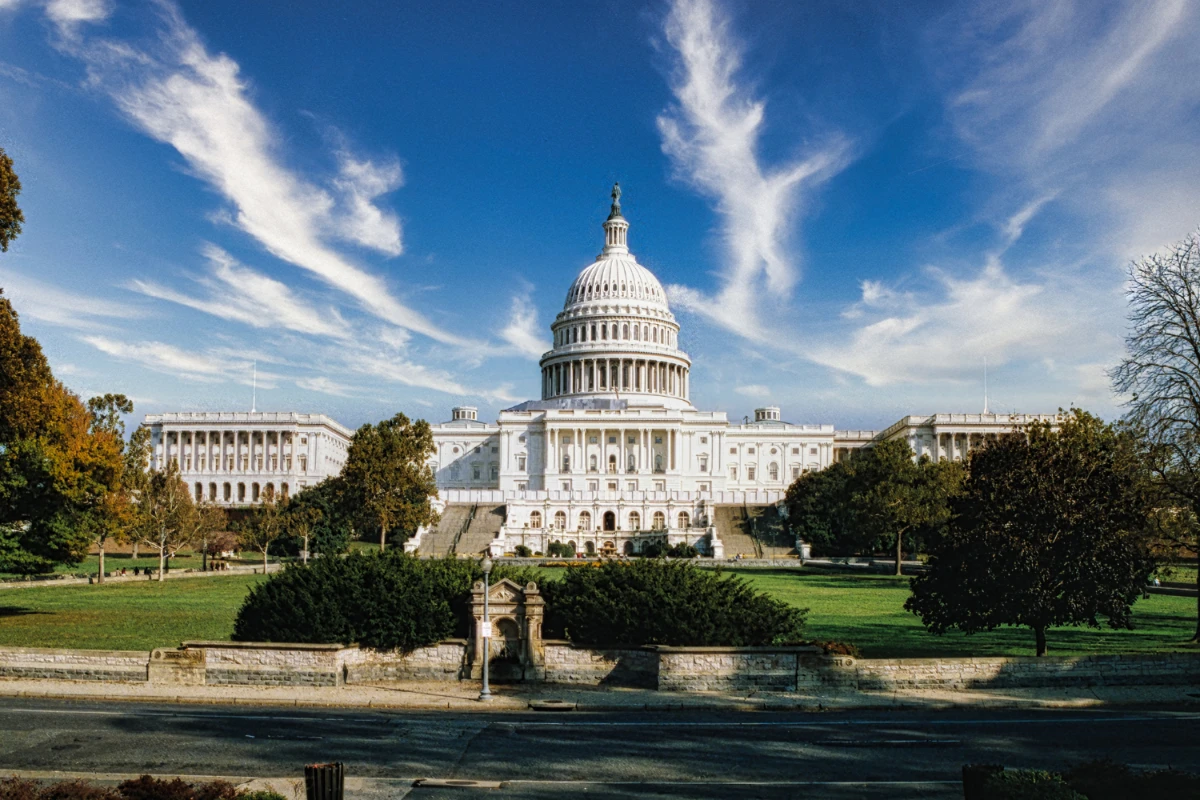
Washington D.C. is particularly stunning during cherry blossom season in late March and early April, while the South and Southwest come alive with warm, sunny weather. National parks are lush, wildlife is more active, and towns and cities are buzzing with events after a quieter winter.
Summer (June to August) is peak season for a reason. Families travel, beaches fill up, and national parks across the country see their highest visitor numbers.
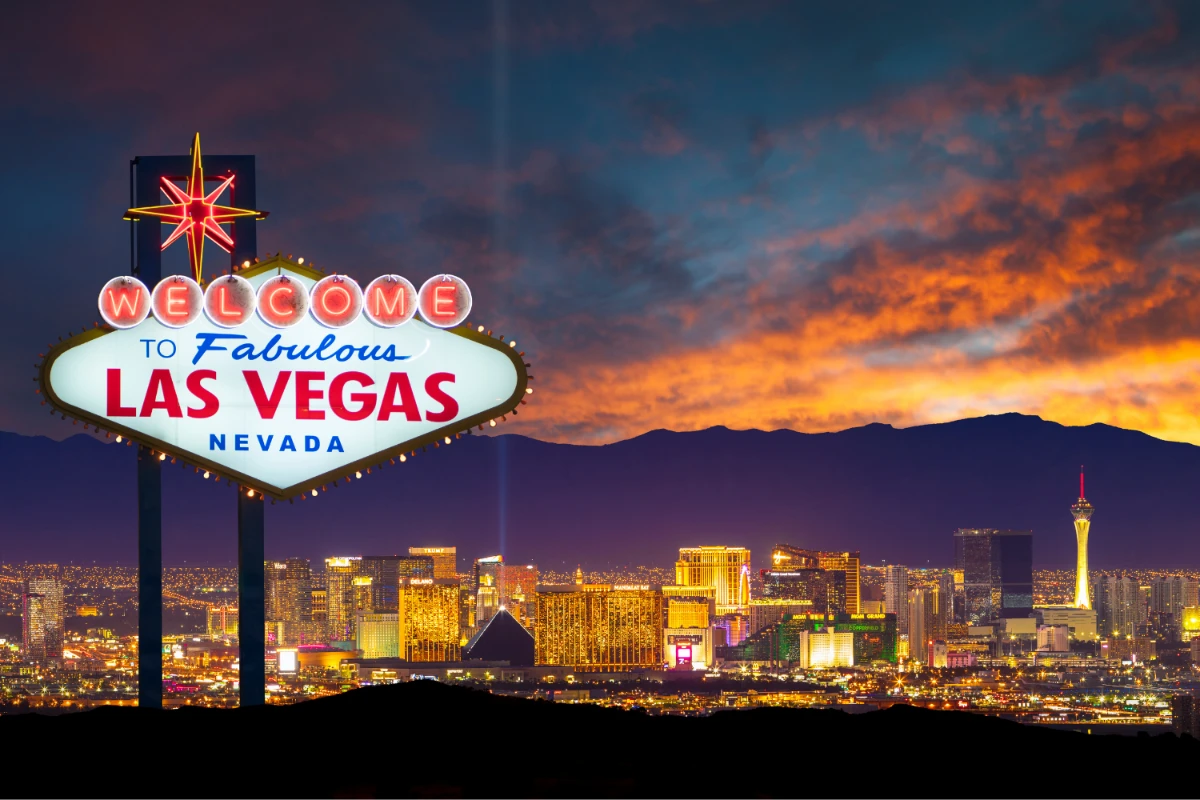
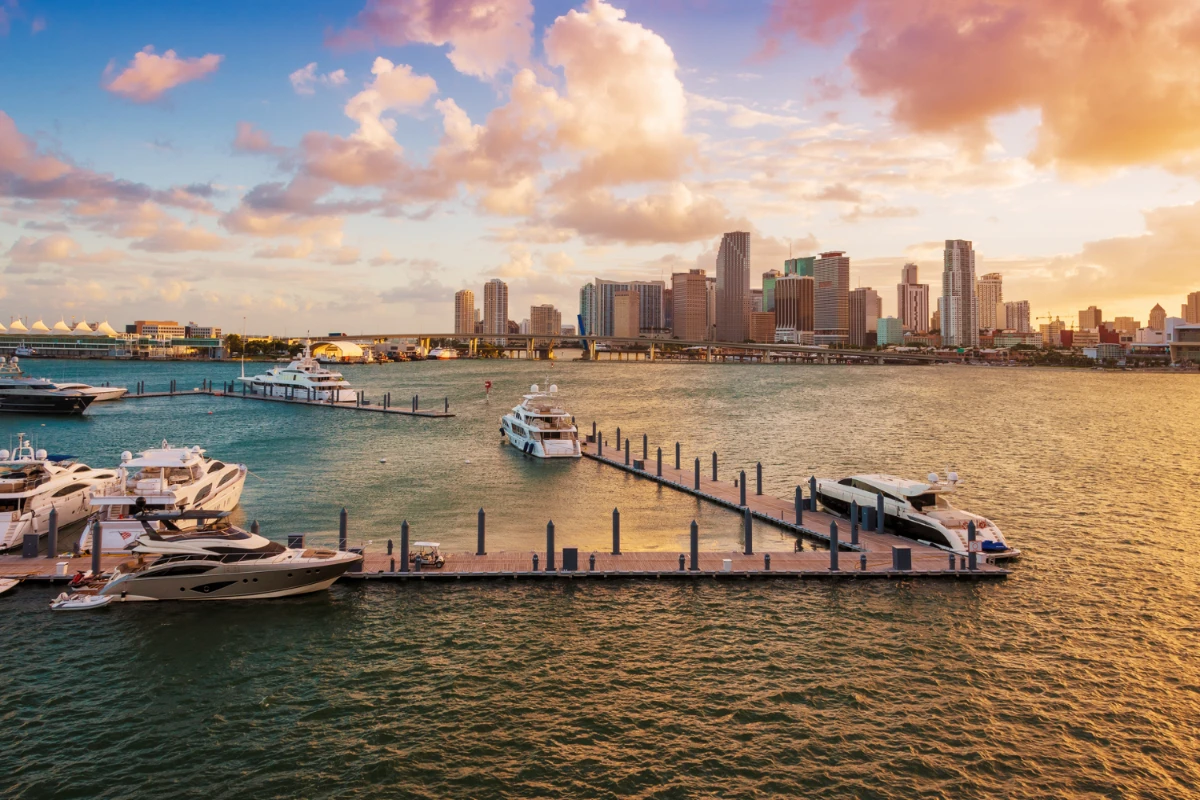
July and August are the busiest times to travel in the USA – weather is warm throughout the country, though the Southern parts of the East Coast can get quite humid. If you’re planning a beach trip to Florida or the Carolinas, summer is the ideal time to go. If you’re heading to the Desert Southwest (think Arizona or Las Vegas), be prepared for intense heat, with temperatures regularly climbing past 40°C.
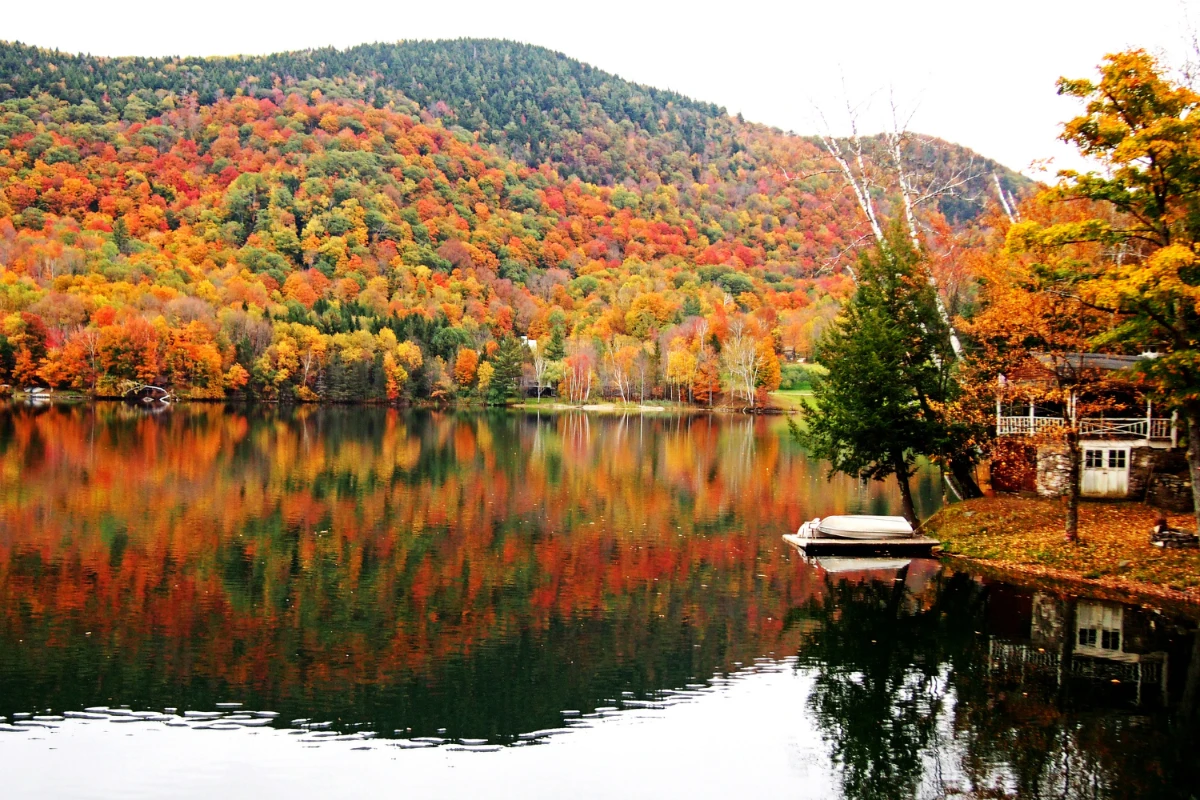
Autumn (September to November) is the season that experienced travellers tend to rave about. The summer crowds start to thin, and cities like Boston, Chicago, and Los Angeles fill up with cultural events and culinary festivals.
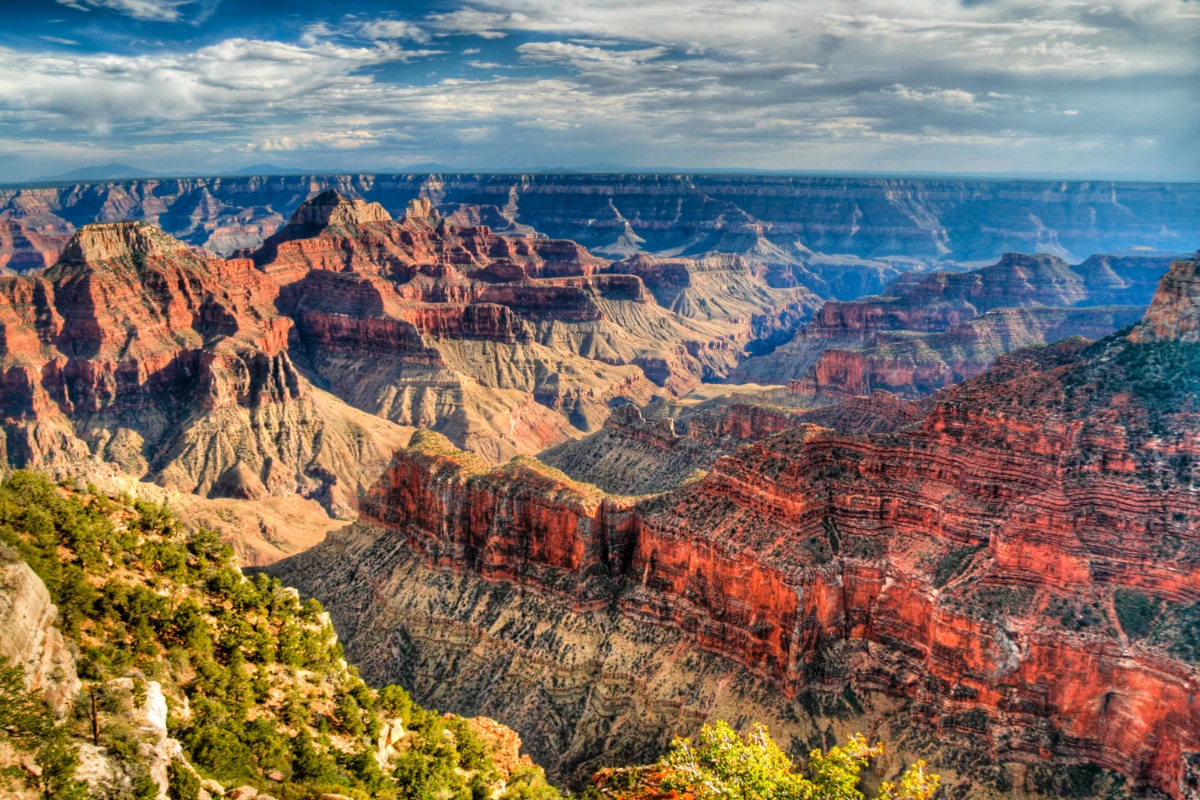
September is a fantastic time to visit the Grand Canyon, when temperatures are more manageable and the trails are less crowded than they are in summer. And by October, the vast forests of the Northeast are ablaze with fall colours; Vermont’s maple trees in particular put on a gorgeous show of reds and oranges.
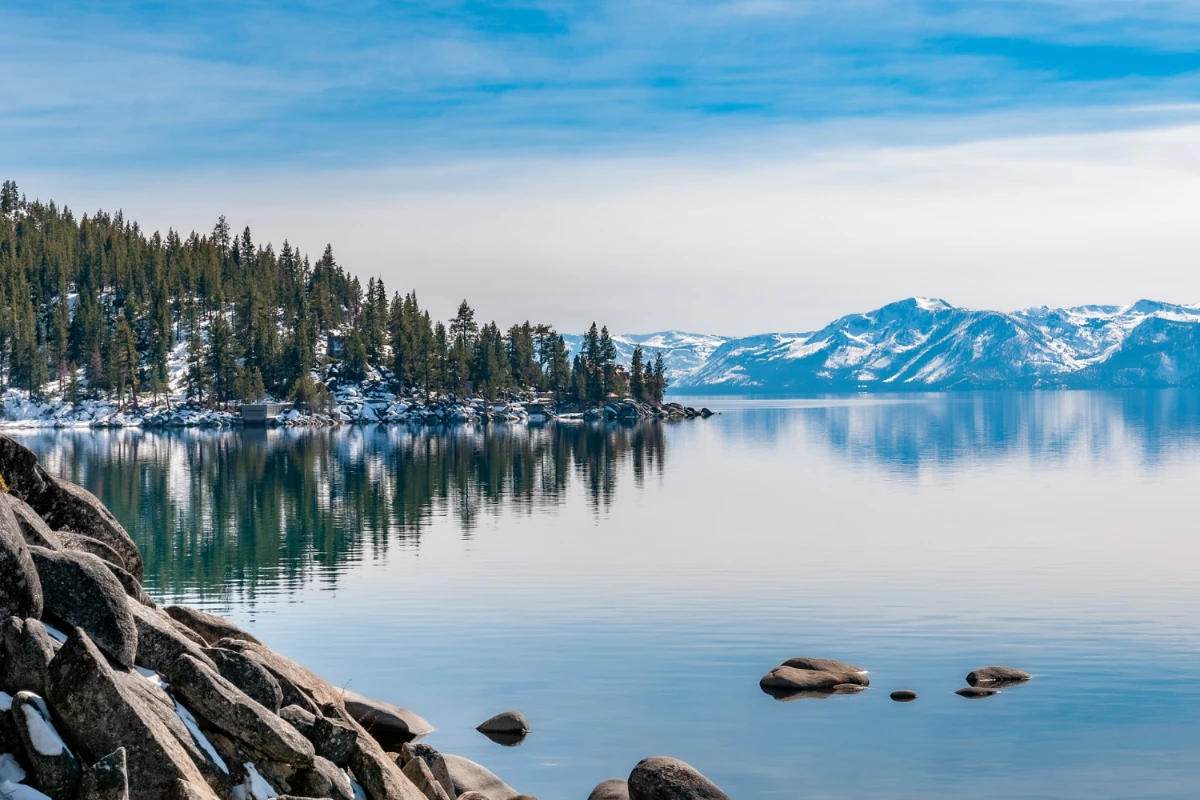
Winter (December to February) is the quietest season for most of the country, which means lower prices and thinner crowds at popular attractions. The national parks are all still open in the south, and early winter offers excellent hiking in desert regions.
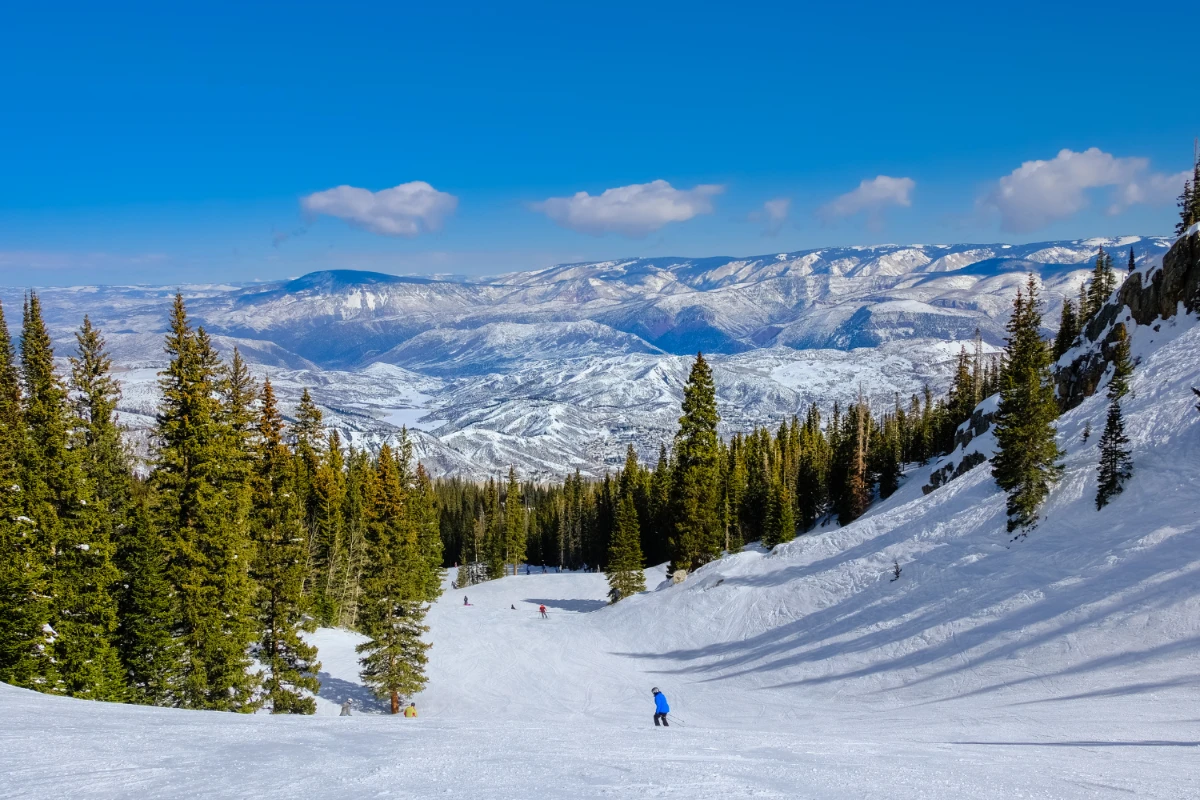
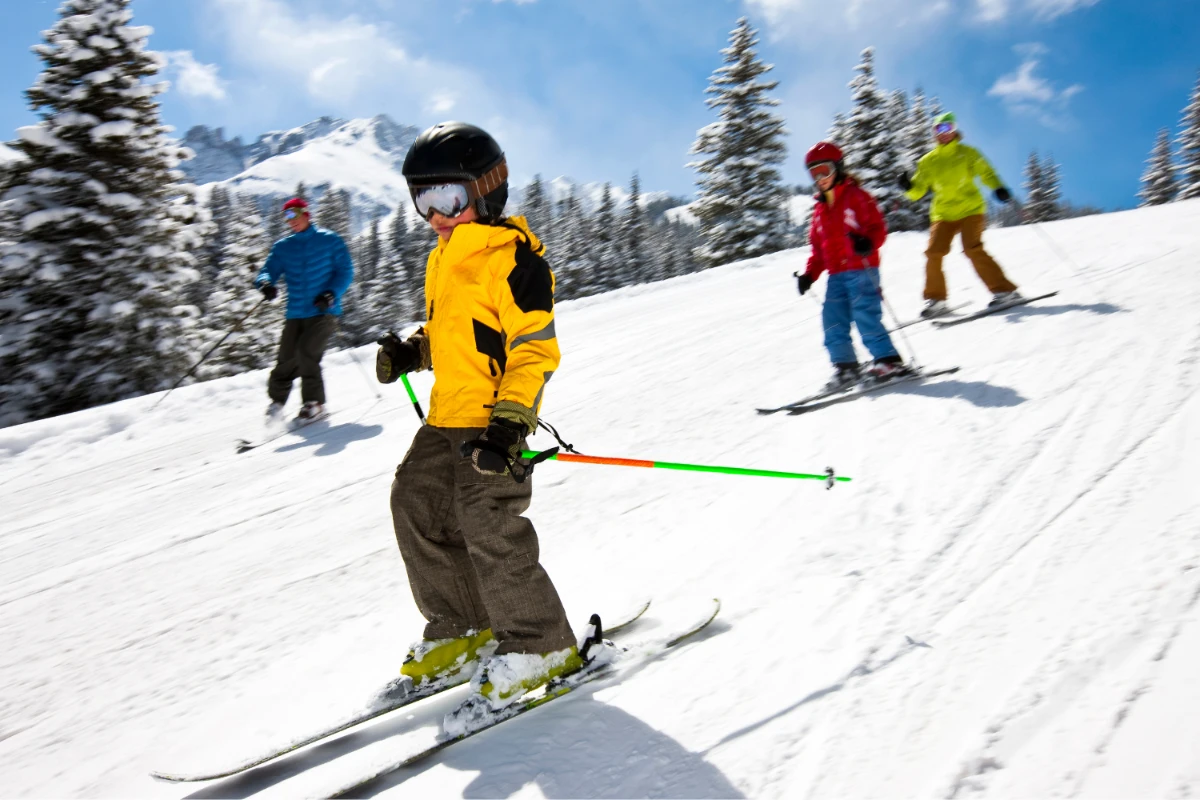
Colorado and Utah become ski destinations drawing winter sports lovers from around the world. Meanwhile, Florida and Hawaii remain warm and welcoming when the rest of the country is cold.
To put it simply:
- If you want the best all-round conditions with fewer crowds, aim for May or September-October.
- If you’re chasing beach weather or school holiday timing, summer is your best bet.
- And if budget is the priority, you’ll get the best deals for the winter season (outside of Christmas week, of course).
Budget-savvy travellers heading to America from Australia should pay attention to a few key windows throughout the year.
From an airfare perspective, the cheapest months to fly to the USA from Australia are typically January, March, and June. August is also considered one of the more affordable months to fly.
Peak airfare pricing hits around December, when holiday demand drives prices up across all routes.
Once you’re there, the cheapest time to travel within the USA is generally January and February. Flights are 30 to 40 percent cheaper than in summer, and hotels cost less across most regions. Plus, there are fewer tourists at most attractions and restaurants are easier to get into.
The trade-off is colder weather in the north and midwest, though the Southwest stays comfortably warm, with temperatures sitting around 10 to 20°C.
If you want a balance of reasonable prices and good weather, shoulder season is consistently the smartest option. Travelling in autumn or spring means you can explore without the crowds or extreme weather conditions, and flights, accommodation, and attractions are typically more affordable.

One thing to keep in mind: the Christmas and New Year holiday period, from around December 20 to January 5, is an exception to the winter bargain rule, with prices spiking sharply. If you’re travelling over that period, book well in advance and expect to pay more.
Smartraveller currently rates the USA as a Level 1 destination, advising travellers to exercise normal safety precautions.
However, it’s worth noting that the current political climate in the USA has led to a few practical considerations for travellers:
A partial government shutdown in February 2026 caused some disruption at airports, including longer lines and flight delays. It’s worth checking with your airline or travel provider closer to departure to confirm your flights haven’t been affected.
Entry requirements are also stricter than many Australians might expect; US authorities have broad powers when it comes to deciding who can enter the country, so whether you’re travelling on a visa or under the Visa Waiver Program with an Electronic System for Travel Authorization (ESTA), make sure you understand the terms and conditions before you fly.
And if you happen to be travelling during a period of demonstrations or protests, it’s best to give those areas a wide berth.
A few other things to have on your radar before you go:
Medical costs in the United States are extremely high, and you may need to pay upfront for medical assistance, so comprehensive travel insurance is a must. It’s not optional; it’s essential.
Weather is also worth factoring into your timing. Severe weather and natural hazards in the USA include hurricanes, tornadoes, wildfires, earthquakes, and extreme temperatures.
Hurricane season runs from June through November and primarily affects the Gulf Coast and Eastern Seaboard. Tornadoes are most common in the warmer months between March and September, particularly across the Central Plains and Midwest. If your itinerary takes you to those regions, it’s worth monitoring local forecasts during that time of year.
Of course, none of this means you should avoid going. Millions of Australians visit the USA every year without incident. We’re simply saying get travel insurance, ensure you’ve got the correct visa, stay across local weather alerts, and check the Smartraveller website right before you depart for the latest travel advice.
 America is home to some of the most beautiful landscapes and iconic cities; here's how to make the most of your trip.
Visa Requirements For The USA
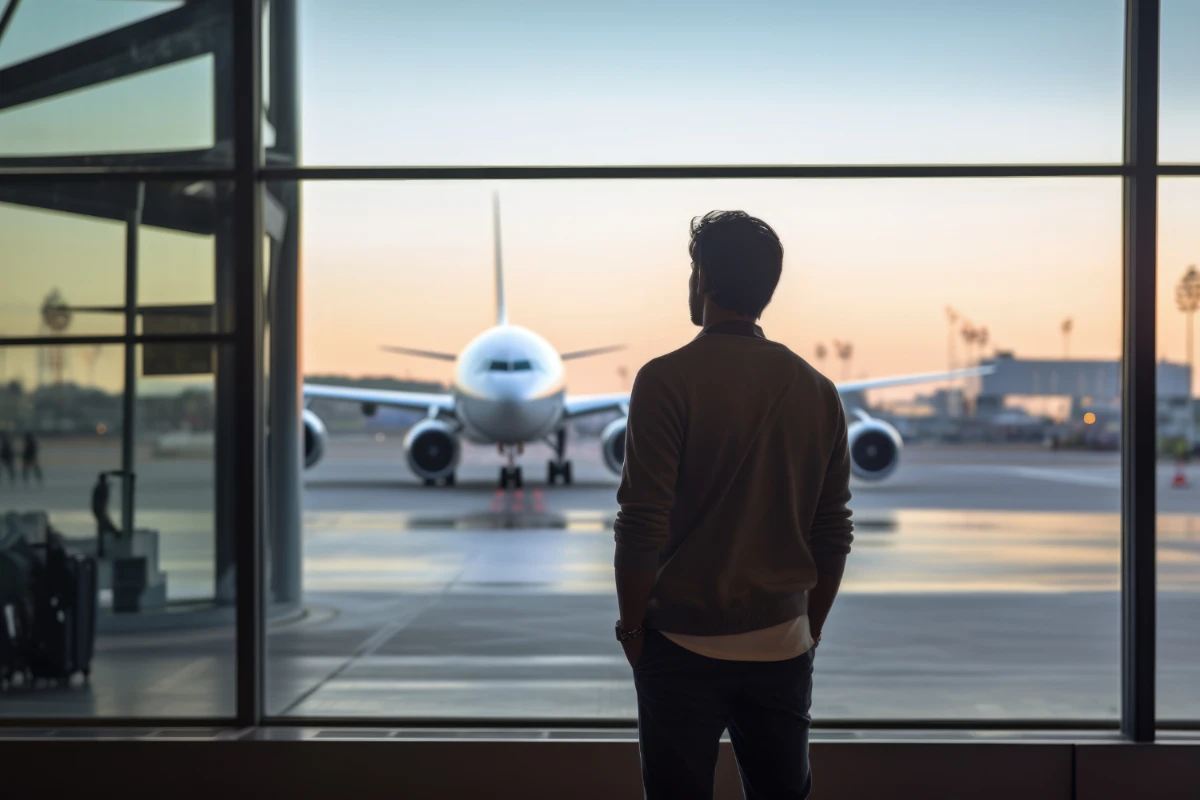 Whether you’re headed to New York or the Grand Canyon, getting your visa requirements right is key to a smooth journey.

 NZ
NZ AU
AU