11% Off Travel Insurance. T&C's Apply.
10% Off* Travel Insurance! Limited time only. T&Cs apply

By Bec Milligan.
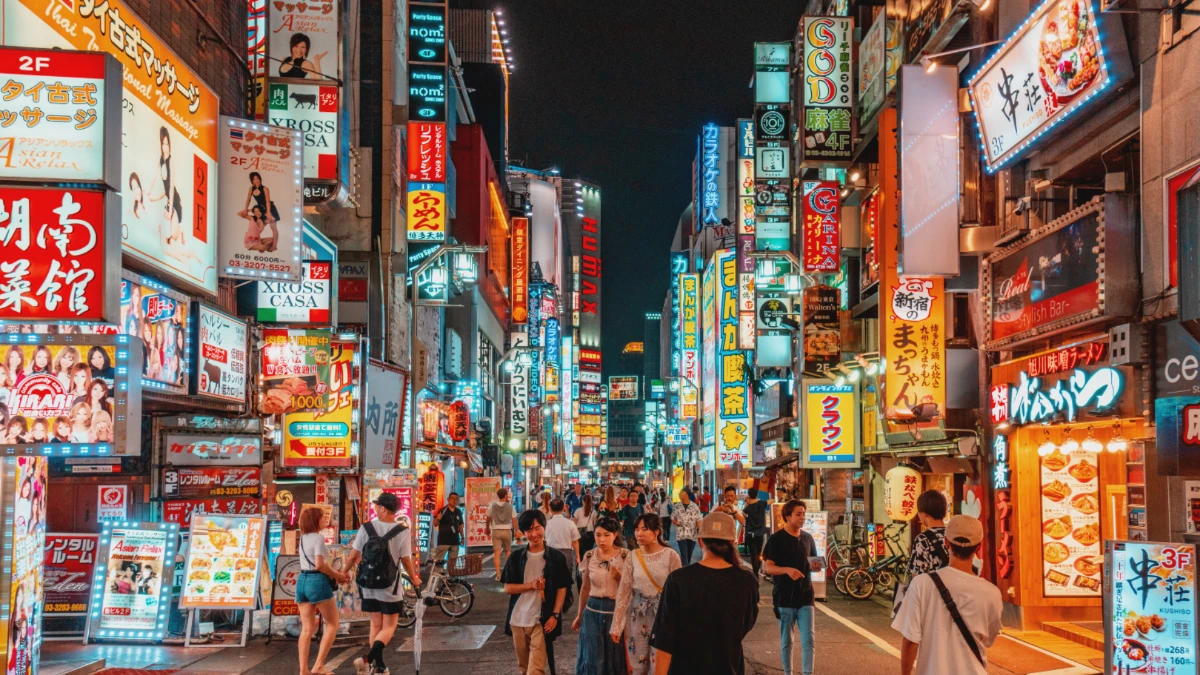
Japan is one of the most fascinating countries on earth.
Ancient temples sit next to neon-lit convenience stores. Bullet trains depart to the second. Vending machines sell hot soup at 2am. Snow-capped mountains turn into world-class ski fields, and every spring, the entire country blushes pink with cherry blossoms.
Whether you’re planning your first trip or your fifth, here are 25 fun facts about Japan that will have you reaching for your passport.
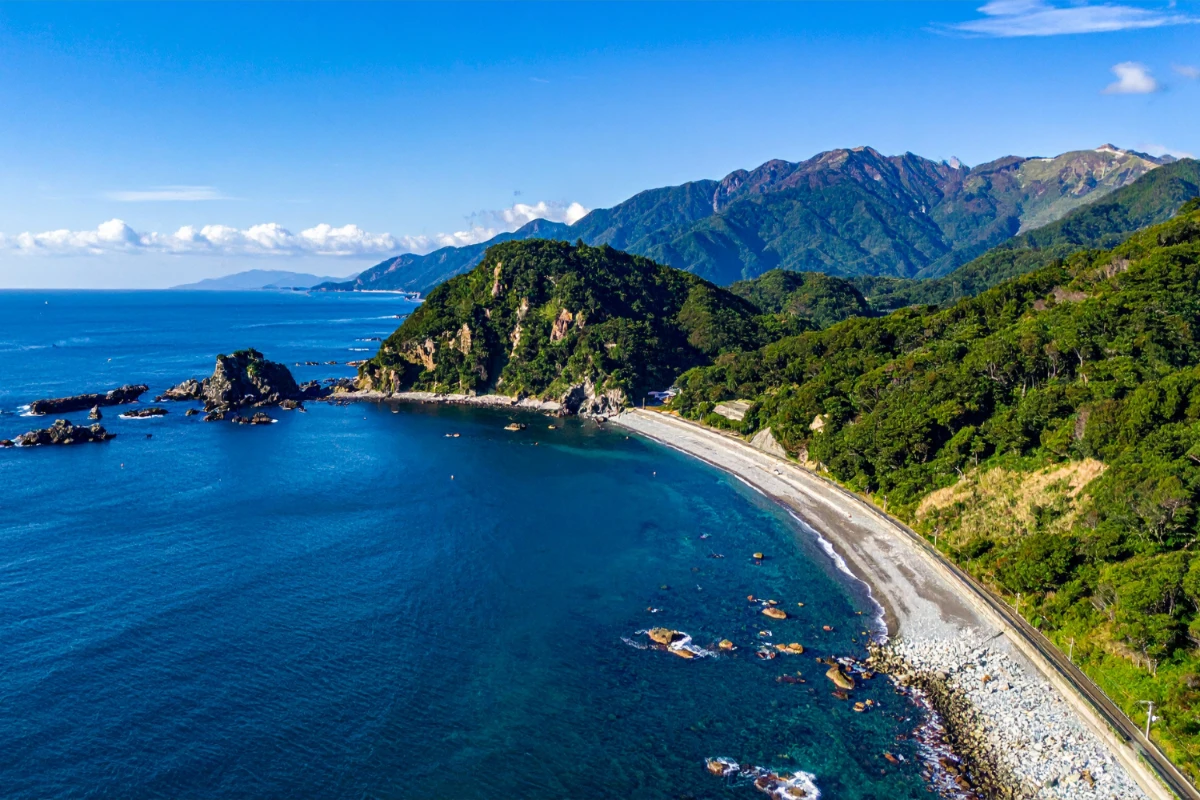
Most people picture Japan as one country-shaped landmass, but it’s actually an archipelago: a chain of islands stretching along the eastern edge of Asia.
There are four main islands – Honshu, Hokkaido, Kyushu and Shikoku – and thousands of smaller ones. Each has its own distinct character, from the snow-covered wilderness of Hokkaido in the north to the tropical beaches of Okinawa in the south.
Japan’s cities are world-famous, but most of the country is actually rugged, forested terrain that’s not suitable for farming or building.
The Japanese Alps run through the centre of the main island of Honshu, and there are more than 108 active volcanoes across the country.
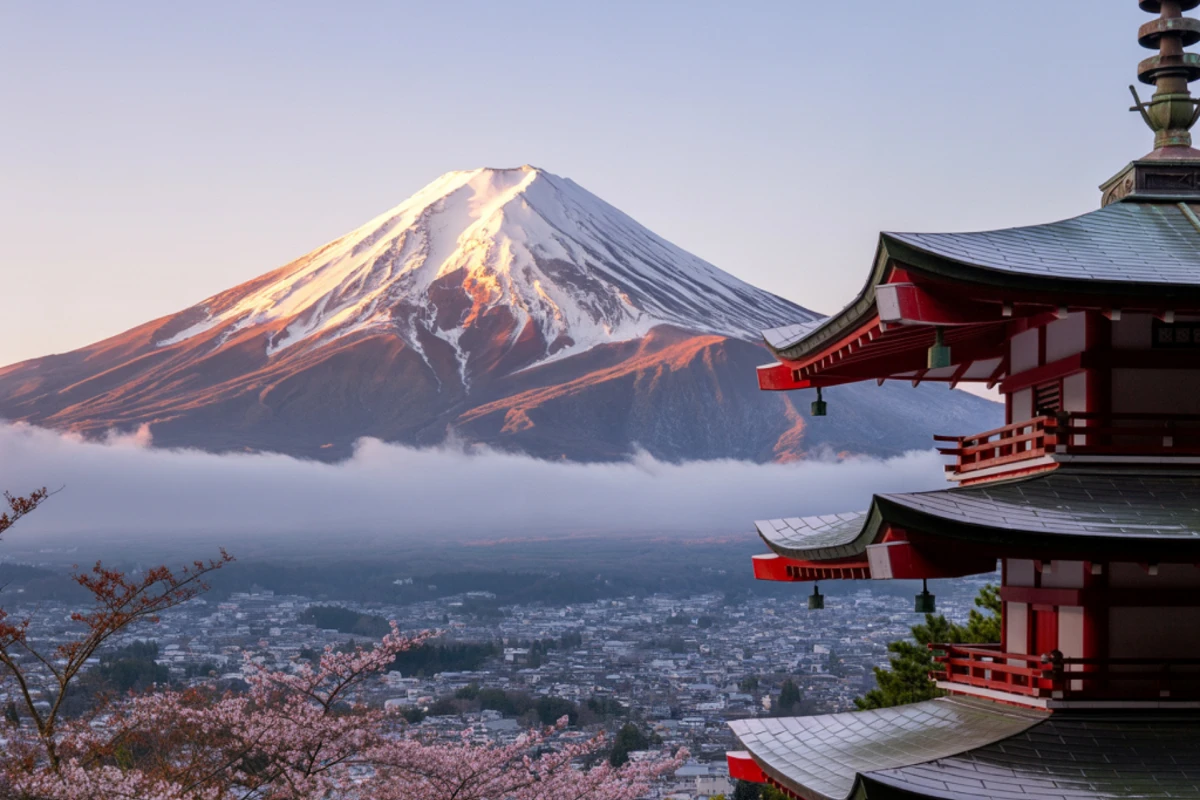
Mount Fuji, which stands at 3,776 metres tall, is Japan’s highest peak, a UNESCO World Heritage Site, and one of the most climbed mountains in the world; around one million people attempt the summit every year.
Here’s the bit that surprises people: it’s classified as an active stratovolcano. It hasn’t erupted since 1707, but scientists monitor it continuously. That said, it remains one of the most iconic and breathtaking sights in all of Japan.
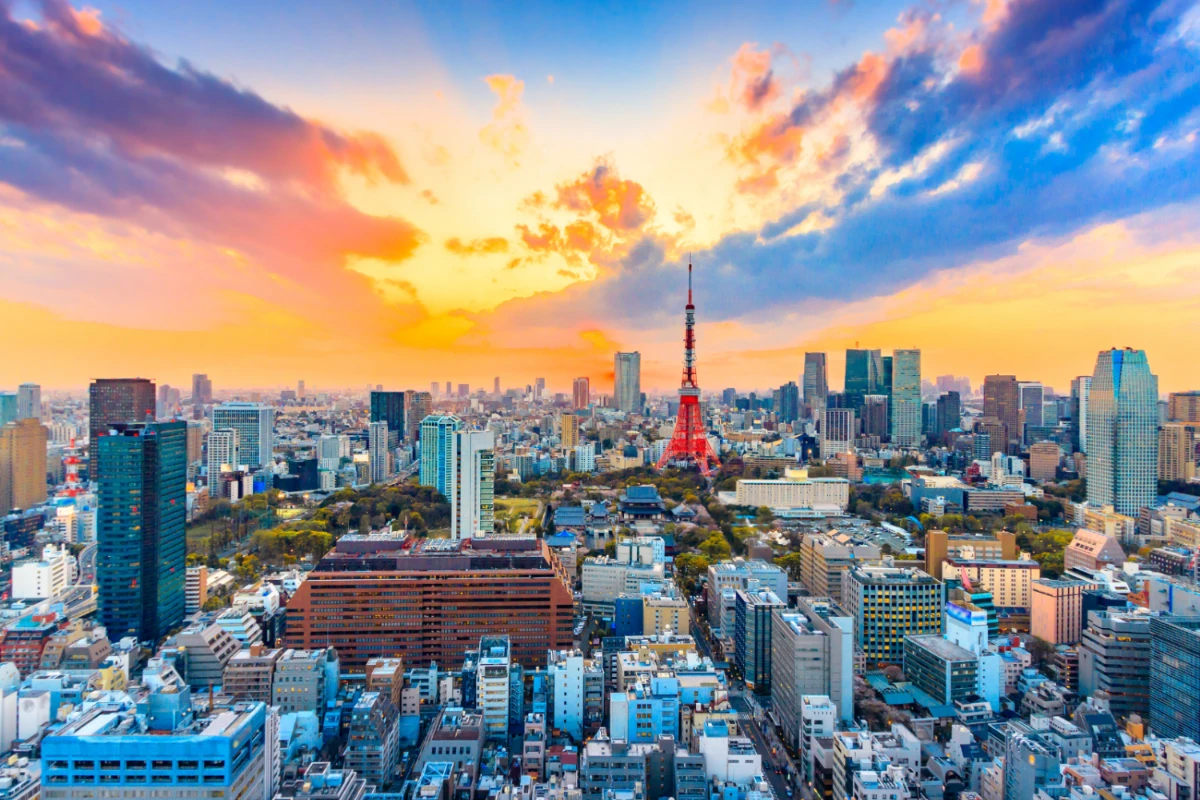
The Tokyo metropolitan area is home to over 37 million people, making it the most populated urban area on earth. To put that in perspective, that’s more than the entire population of Australia, crammed into one city. Shinjuku Station alone processes over 3.5 million passengers every single day!
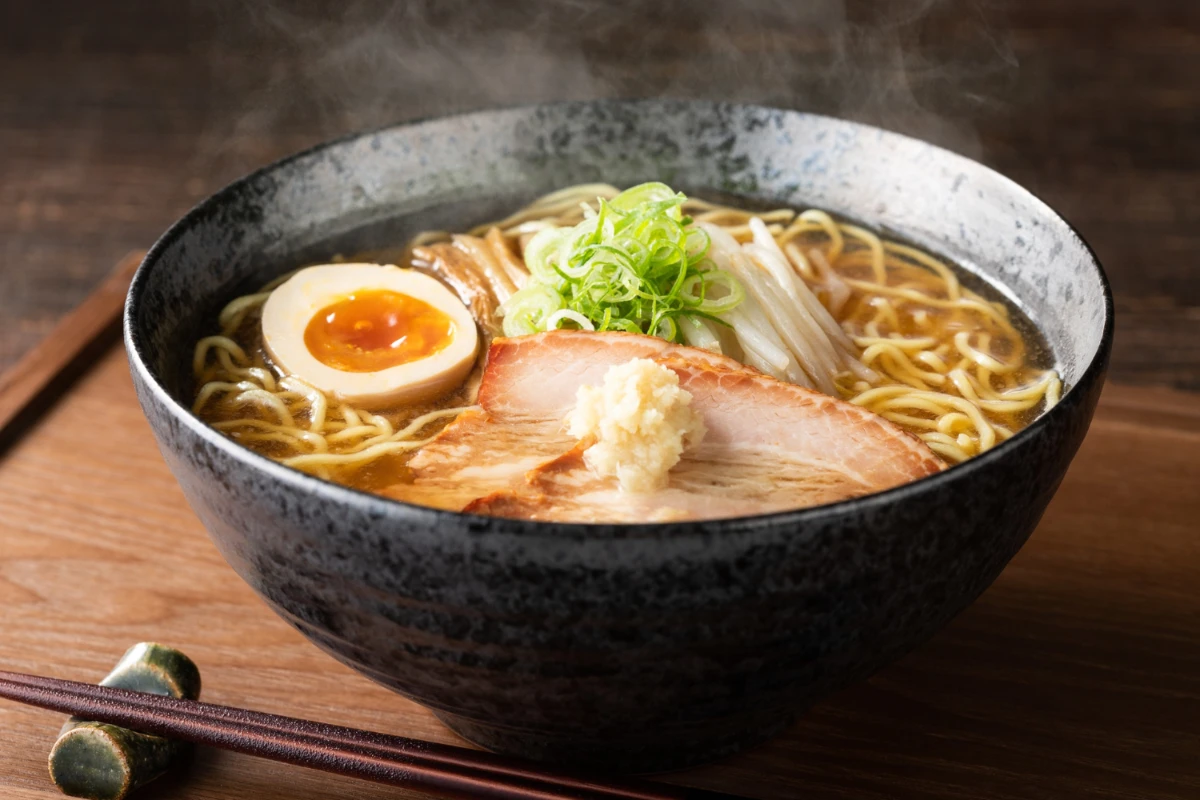
In Japan, the polite way to eat ramen or soba is loudly. Slurping signals to the chef that you’re enjoying the meal. It also cools the noodles as you eat, so don’t hold back!
However, when it comes to sushi, dunking your rice in soy sauce is frowned upon. Dip only the fish and do it lightly.
Shinto is one of Japan’s two major religions (alongside Buddhism), and shrines are embedded into the landscape everywhere you look: in forests, on mountains, at the ends of quiet suburban streets.
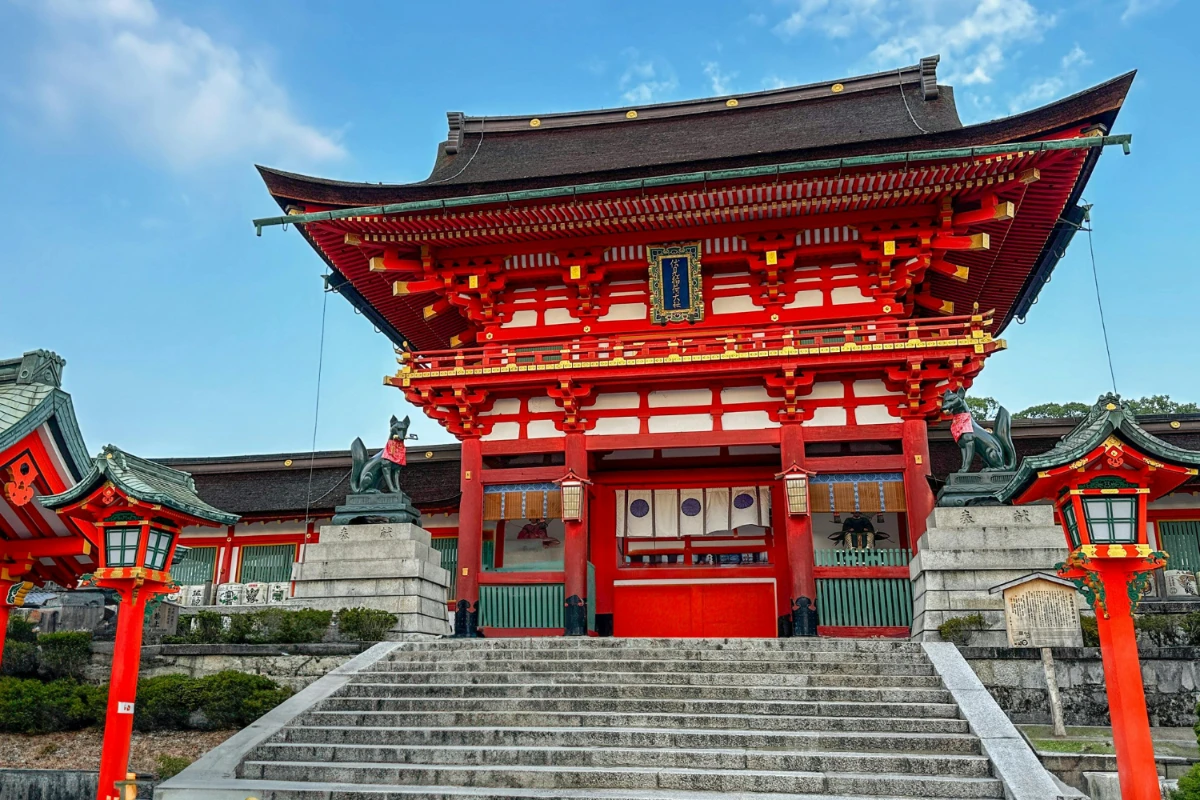
The most visited is Fushimi Inari in Kyoto, where thousands of bright orange torii gates wind up a forested mountain. The higher you climb, the fewer people you encounter.
In Japanese, the word for four (‘shi’) sounds identical to the word for death. As a result, it’s avoided in daily life. Buildings often skip the fourth floor entirely; gift sets come in threes or fives, and hospitals try to avoid having a room number four.
Keep an eye out for it when you’re there. Once you know, you start noticing it everywhere.
Rather than signing their names, Japanese people use a personal stamp called a hanko. These small seals are carved with a person’s name in kanji characters and are used for everything from signing letters to opening bank accounts.
Most adults have several; one for everyday use, one for the bank, and one for formal legal documents. You can have your own made in small shops across the country, which makes for an excellent souvenir.
An estimated 3.6 million Japanese families celebrate Christmas Eve with a bucket of KFC, and many book their order weeks in advance to avoid the queues. The tradition started in 1974 when KFC Japan launched a “Kurisumasu ni wa Kentakkii” (Kentucky for Christmas) campaign.
What began as a marketing strategy became one of Japan’s most beloved modern traditions. It’s delightfully absurd and completely real.
The imperial family traces its lineage back more than 2,600 years, making it the world’s oldest continuous monarchy. Emperor Naruhito, the 126th emperor, holds a ceremonial role as a symbol of national unity.
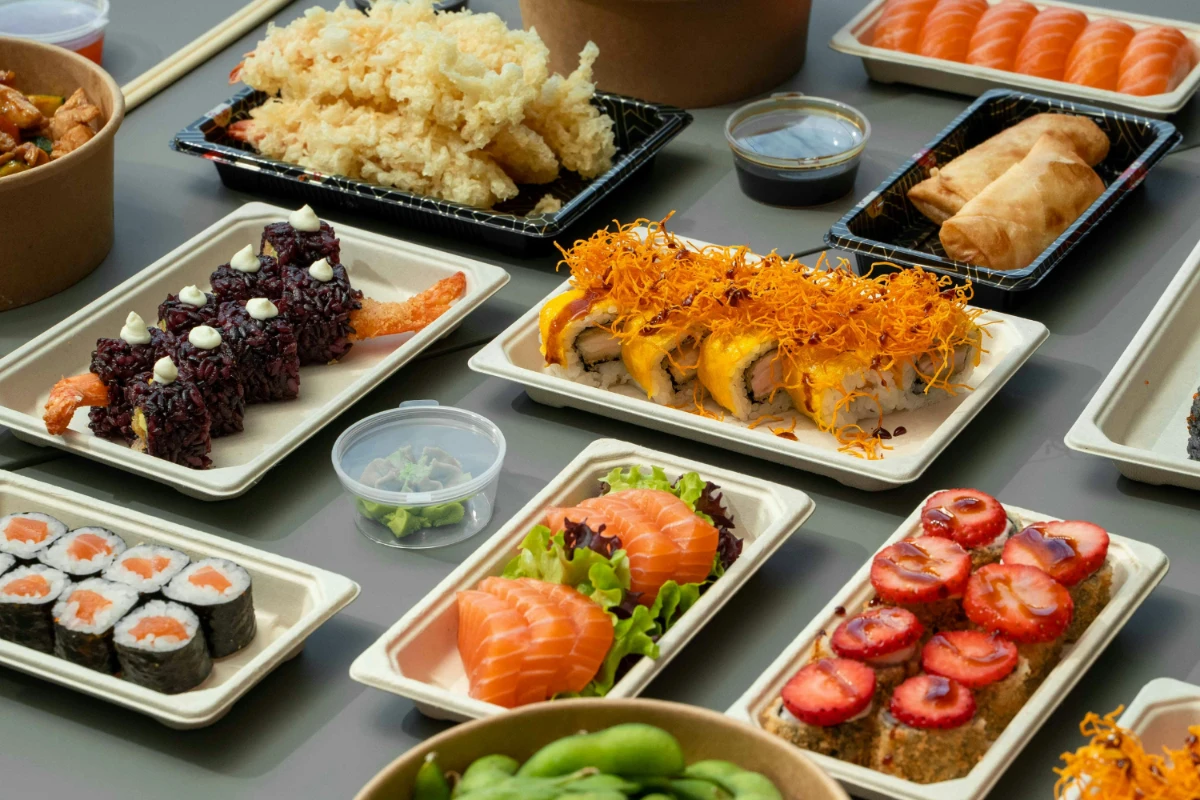
Tokyo’s food scene is extraordinary. The city holds more Michelin-starred restaurants than any other city in the world.
But you don’t need a reservation at a fine dining restaurant to eat remarkably well here. Some of the best meals come from sushi counters, eight-seat ramen bars, or even from a convenience store at midnight. Japanese food culture takes quality seriously at every level.
Washoku – authentic Japanese cuisine – was added to UNESCO’s Intangible Cultural Heritage list in 2013. It’s not just about the food itself but the philosophy behind it: fresh, seasonal ingredients, regional diversity, and a deep respect for the craft of preparation.
As you travel between regions, the food genuinely changes for this reason. Osaka is famous for street food and bold flavours, Kyoto leans toward delicate, multi-course kaiseki meals, Hokkaido is celebrated for dairy, fresh seafood, and miso ramen.
Japan has over five million vending machines, and they sell far more than soft drinks. You can find hot canned soup, fresh eggs, beer, noodles, umbrellas, and even sake all dispensed at the push of a button, day or night, in places as remote as mountain villages.
Once you’ve been saved by a vending machine at a cold train station at midnight, you’ll understand why the Japanese love them.
Great news if you’re planning a trip: New Zealand passport holders can enter Japan visa-free for tourism stays of up to 90 days. Your passport just needs to be valid for the duration of your stay; Japan doesn’t require the usual six months’ validity.
Japan Standard Time (JST) is UTC+9. From Auckland on NZDT (UTC+13), Japan is four hours behind in New Zealand summer, and three hours behind in New Zealand winter when NZST (UTC+12) applies.
This makes Japan one of the easiest long-haul destinations for Kiwis in terms of jet lag.
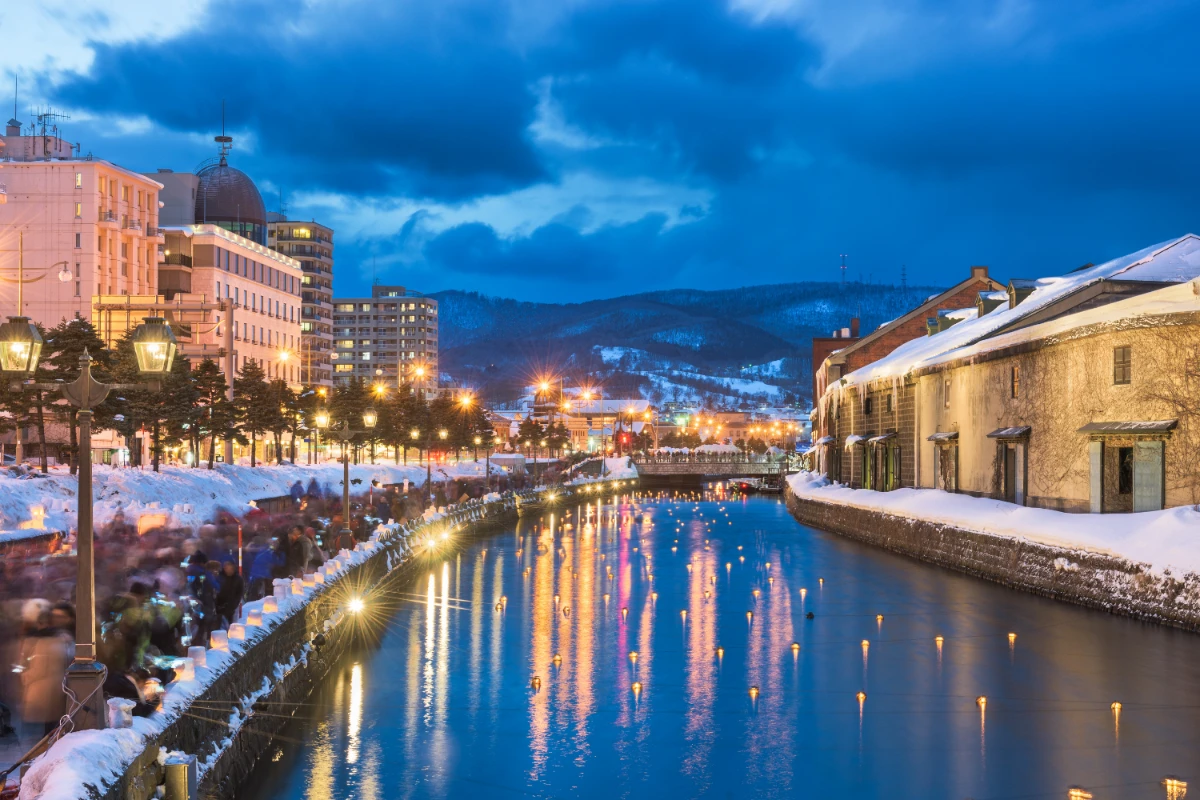
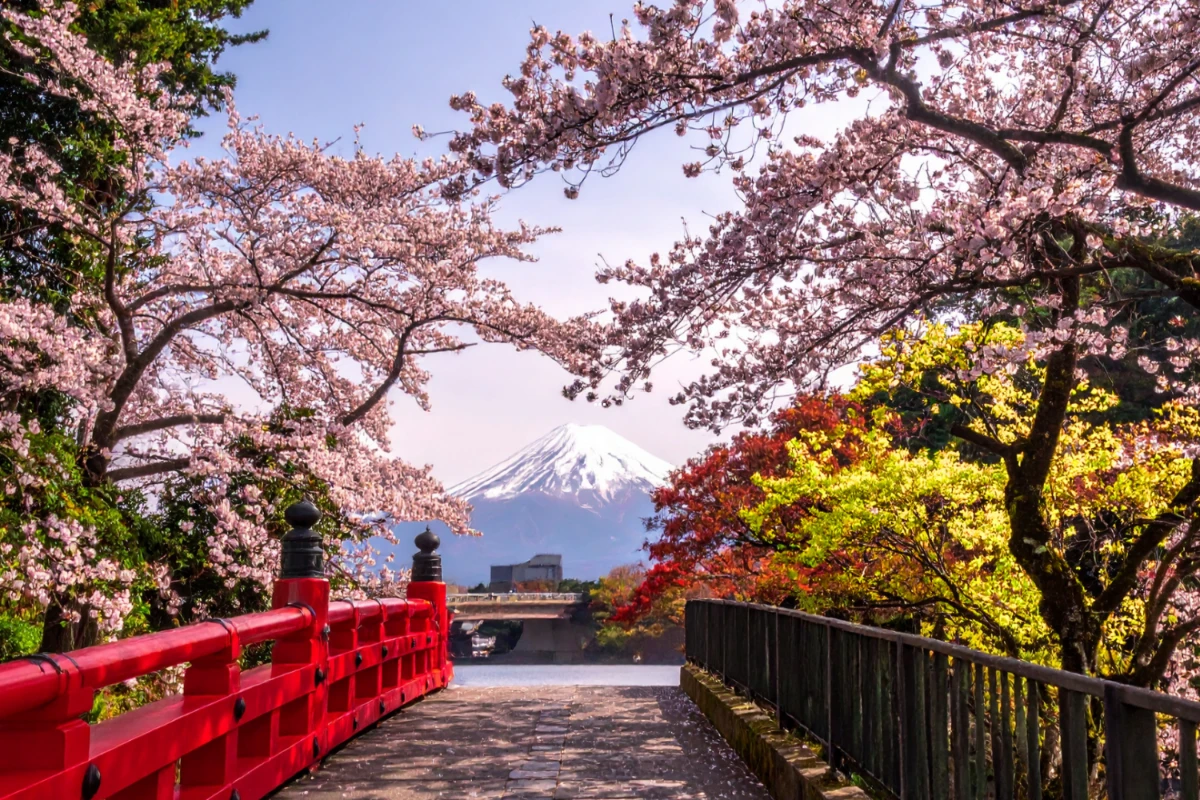
Cherry blossom season in Japan is not a tourist marketing concept; it’s a genuine cultural event that the Japanese themselves participate in with enormous enthusiasm.
Every spring, thousands of cherry trees bloom across the country, and people gather beneath them for hanami (flower-viewing) picnics with food, drinks, and friends. The bloom period is brief – typically five to seven days of full bloom before the petals fall – which is part of what makes it feel so precious.
Learn more about Japan’s cherry blossom season here.
The powder snow in Hokkaido is the stuff of legends among skiers and snowboarders worldwide. Cold Siberian winds pick up moisture over the Sea of Japan and dump it as incredibly dry, light snow (nicknamed “Japow”) over the island’s mountains.
Niseko, the most famous ski season destination in Japan, receives an average of over 15 metres of snowfall per season. The ski season typically runs from late November through to early May, with peak conditions between late December and mid-February.
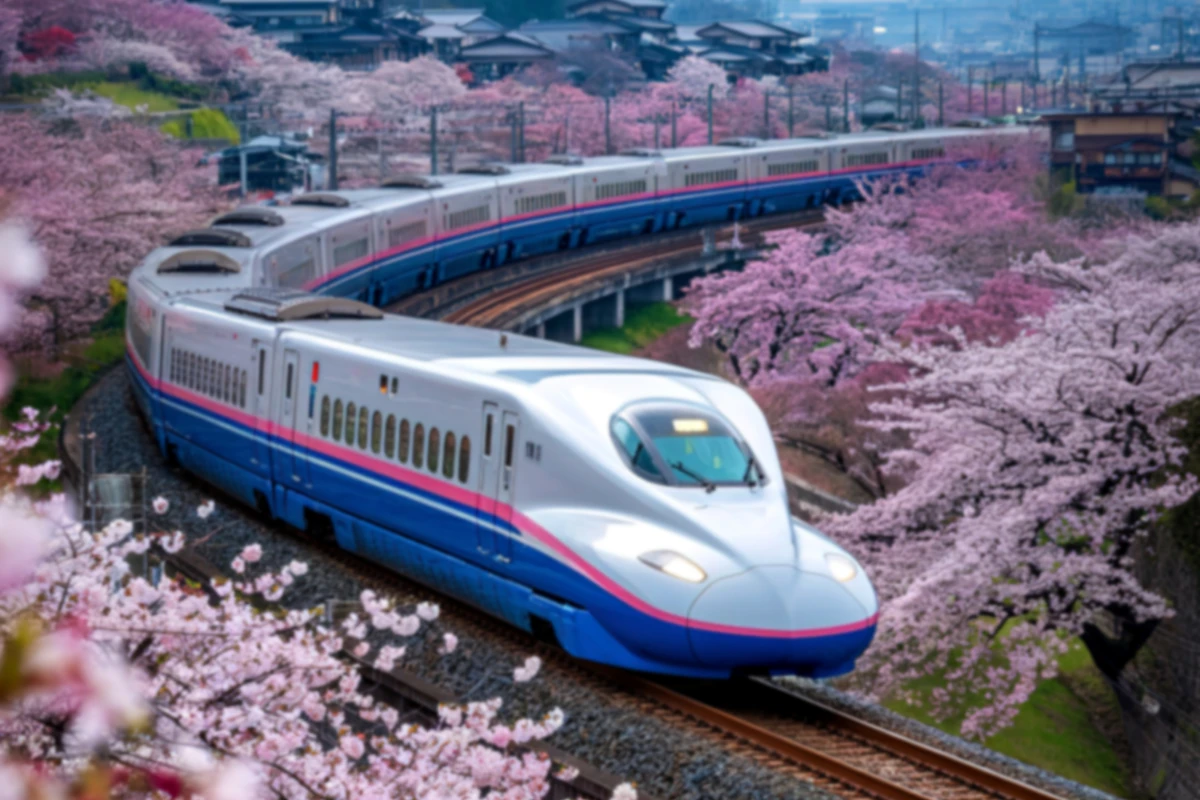
Japan’s rail network is famous for its punctuality, and for good reason. The Shinkansen (bullet train) network connects most major cities at speeds of up to 320 km/h.
A journey from Tokyo to Kyoto takes about two hours and fifteen minutes. One railway company issued a public apology when a train left 25 seconds ahead of schedule. For travellers, this reliability takes an enormous amount of stress out of getting around.
The JR Pass gives unlimited travel on most Shinkansen and JR lines across the country and is exceptional value if you’re planning to move between cities. The catch is that it must be purchased outside Japan; you can't buy it once you’re there. So, make sure you sort it out before you fly.
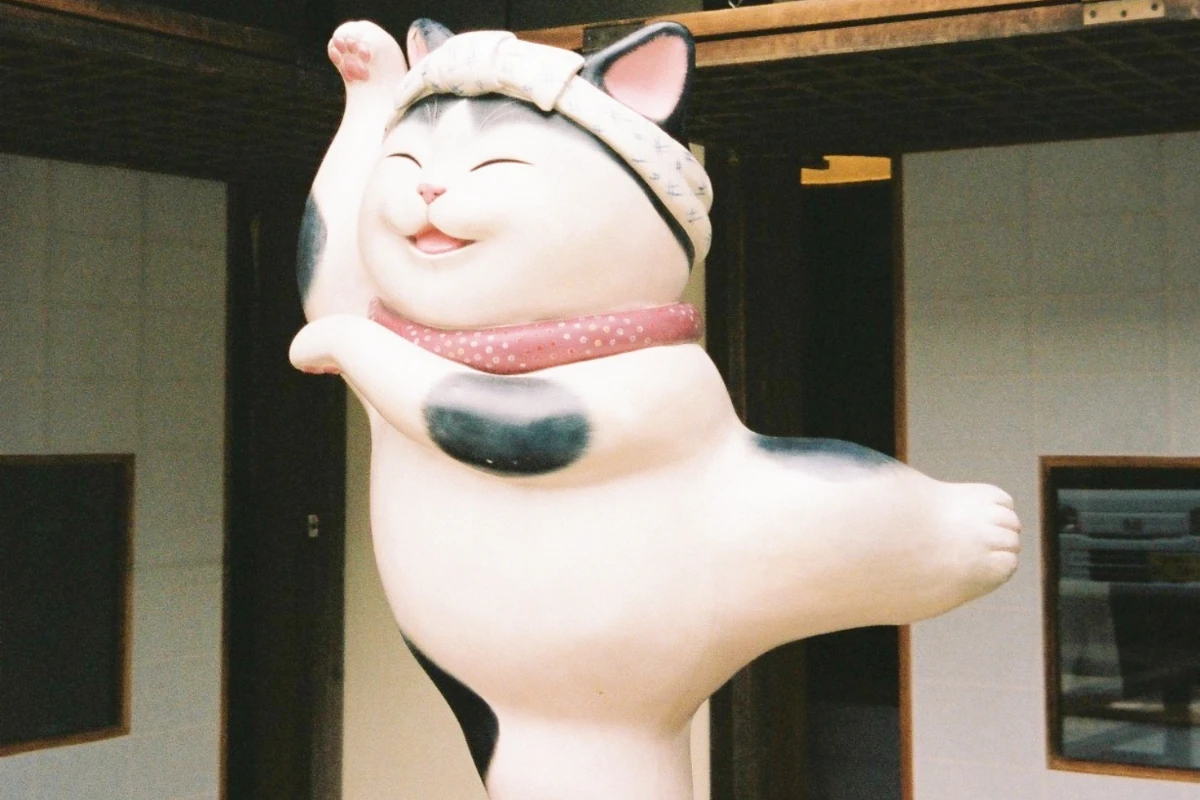
Several small Japanese islands have become famous for their thriving animal populations. Tashirojima and Aoshima are known as “cat islands,” where felines outnumber people significantly.
Okunoshima, in the Seto Inland Sea, is overrun with friendly wild rabbits. The island has a complicated history – it was used for chemical weapons testing during World War II – but today it attracts visitors purely for the opportunity to be swarmed by fluffy rabbits the moment you step off the ferry.
During Japan’s feudal era, wealthy lords built homes with deliberately squeaky floorboards (known as uguisubari, or Nightingale Floors) as an early warning system against ninja intruders.
The floors were engineered so precisely that the squeaking couldn’t be avoided, no matter how carefully someone tried to step. You can hear them for yourself at Nijo Castle in Kyoto, which has original Nightingale Floors still intact.
Nishiyama Onsen Keiunkan in the Yamanashi region has been operating since 705 AD; over 1,300 years! It’s been run by the same family for 52 generations and is listed in the Guinness World Records as the world’s oldest hotel.
It’s a traditional onsen inn (ryokan), which means staying there involves sliding screen doors, futon bedding, yukata robes, and bathing in natural hot spring water.
Kit Kats are enormous in Japan, partly because the name sounds similar to “kitto katsu” (a Japanese phrase meaning “you will surely win”) making them popular good luck gifts before exams and competitions.
Japan produces over 300 unique Kit Kat flavours, including matcha green tea, sake, wasabi, edamame, and regional varieties exclusive to specific regions.
After a 1995 terrorist attack in the Tokyo subway, the government removed public bins across the country. Despite this, Japanese streets are remarkably clean. The cultural norm is to carry your rubbish with you until you find a bin or get home. It’s a good habit to adopt from the moment you land.
Japan is an incredibly safe country with a very low crime rate, excellent medical facilities, and highly developed emergency systems.
But like any destination, the unexpected can happen; a typhoon rolling through during ski season, a disrupted flight during cherry blossom peak, or a hiking injury far from the city. So, make sure your travel insurance is sorted before you fly!
And if you’re planning adventure activities like skiing, snowboarding or hiking, you’ll want a policy that covers them specifically.
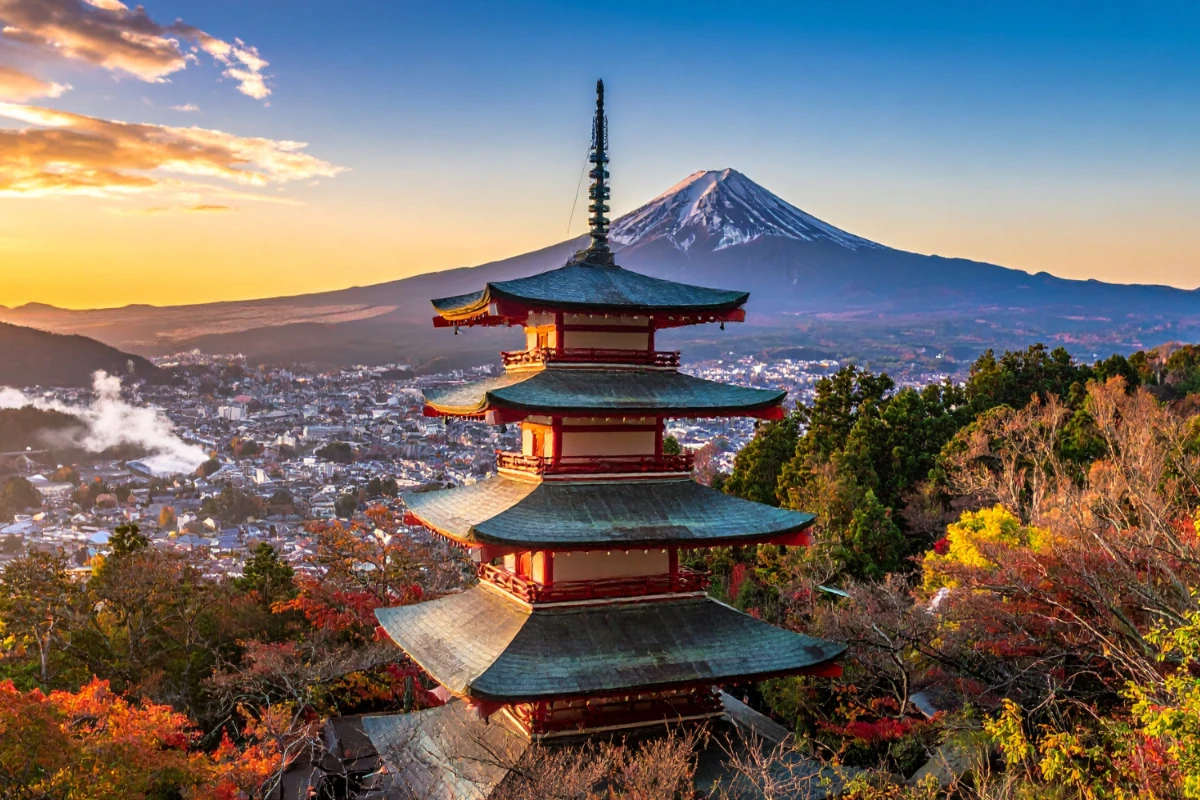 Want to know the One Thing you should do in Japan? We've got you covered!
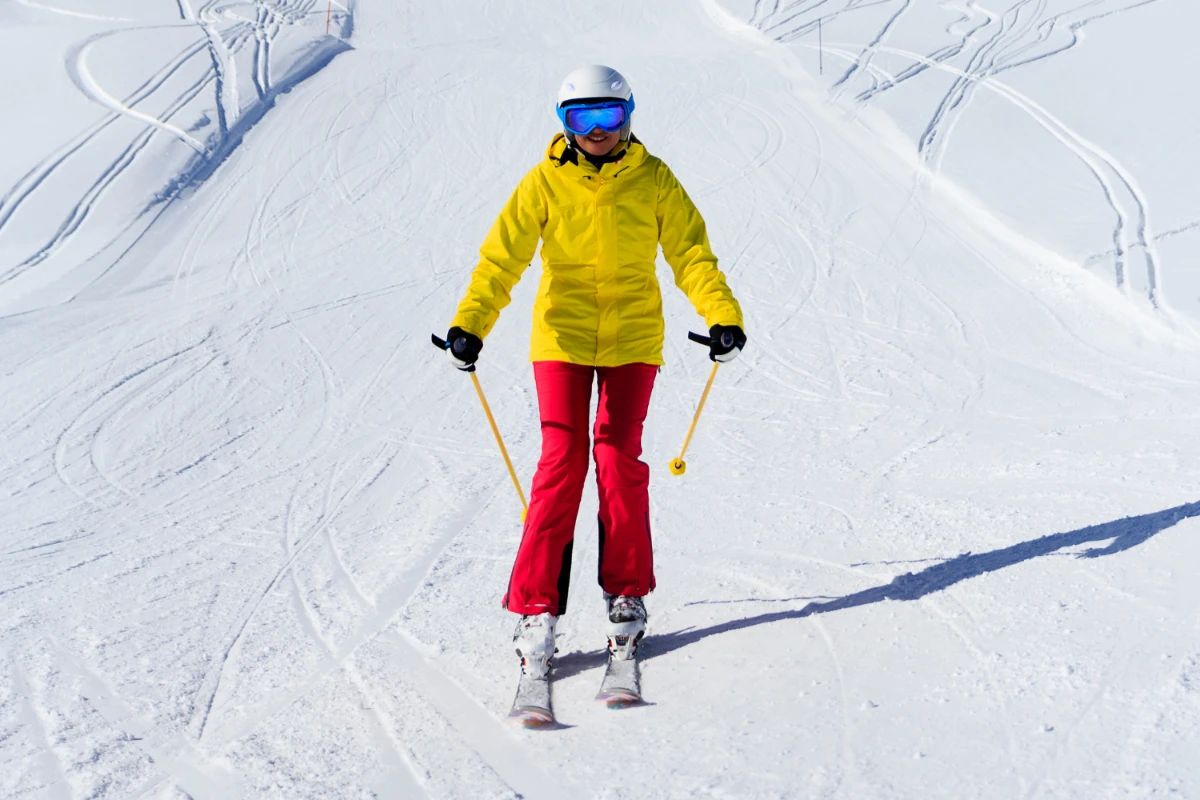 Scientists say Japan has the greatest snow climate on the planet; here are the must-visit resorts.

 NZ
NZ AU
AU