By Bec Milligan.
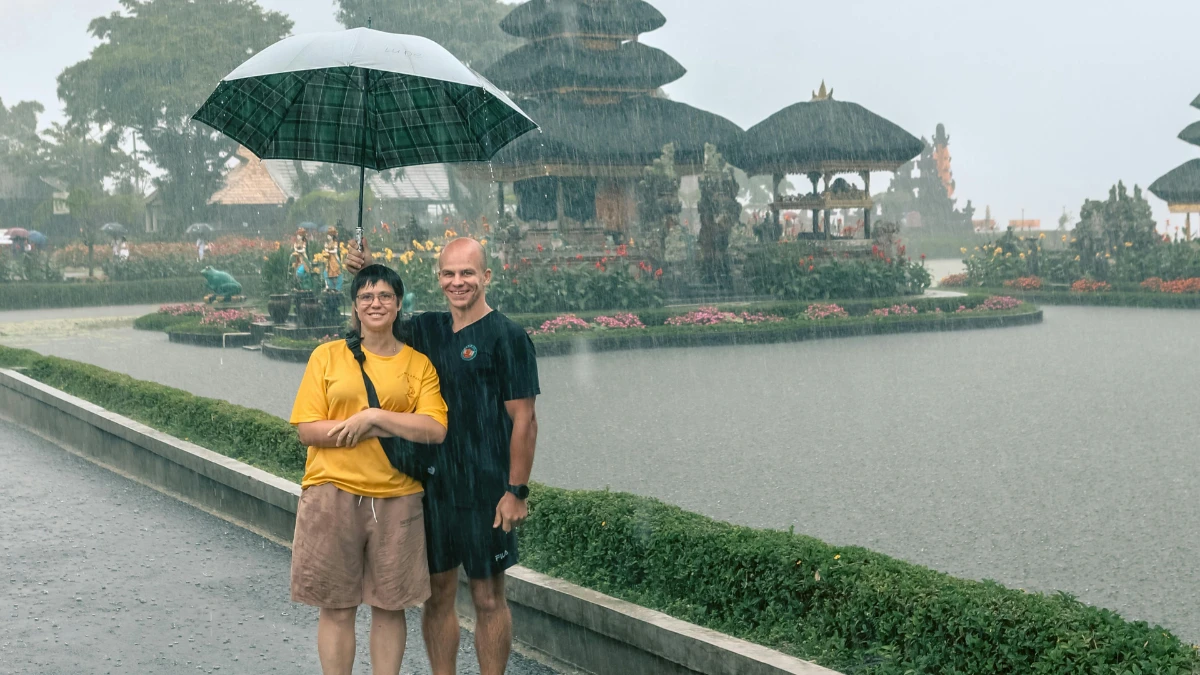
Heading to Bali, Indonesia in its rainy season? Or simply wondering whether you should plan your trip for drier months?
Read on for a complete guide to Bali’s rainy season that covers everything from when it is to whether the rain can give you Bali belly.
January takes the crown as Bali’s wettest month, with rainfall totals usually hitting 340-350mm.
You can expect rain to fall on most days during January – often 20 or more – though it’s important to remember that doesn’t mean constant, all-day downpours.
The typical pattern sees rain falling in short, heavy bursts, usually a couple of hours in the morning and then again in the afternoon, with lovely, sunny breaks in between.
December comes in as a close second for the wettest month, making the December-January period the peak of rainy season.
February also sees substantial rainfall (around 234-287mm), before things start to ease off in March.
The rainfall isn’t evenly distributed across the Indonesian island, either. Ubud and the northern mountains get far more rain than coastal areas like Seminyak, Nusa Dua, or Canggu.
So even in January, your rainy season experience can vary dramatically depending on where you’re staying.

Absolutely! But only if you know what you’re in for.
Rainy season gets a bad rap, but there are multitudes of benefits!
For instance, fewer crowds, significantly lower accommodation prices (sometimes slashed by half), and the Indonesian island transforms into a lush, vibrant green paradise.
Not to mention, the rice terraces look absolutely spectacular, waterfalls are at their most impressive, and you’ll get a more authentic glimpse of Balinese life without fighting through throngs of tourists at every temple.
And like we mentioned earlier, the rain usually comes in short, intense bursts, often early in the morning and then again late in the afternoon, meaning it’s usually sunny during the middle of the day and you can enjoy getting out and about.
Of course, there are some downsides to the rainy season.
Debris and rubbish can (and likely will) wash up on beaches. Snorkelling and diving conditions aren’t as good due to reduced visibility. Some areas experience flooding during super heavy downpours. And the humidity can feel quite stifling.
So, who should visit during rainy season? Budget travellers, culture seekers, photographers who love dramatic skies and lush landscapes, and anyone who prefers a quieter, more laid-back Bali experience.
Whereas beach lovers who want guaranteed sunshine, divers and snorkellers, and anyone planning outdoor activities that can't be rescheduled should probably opt to visit Bali outside of its rainy season.

May, June, September, and October are considered the best months to visit Bali.
May kicks off with reliably dry weather, minimal rainfall, and pleasant temperatures without the humidity. It’s brilliant for outdoor activities; think hiking Mount Batur at sunrise without slipping in mud, crystal-clear diving conditions, and beaches that are pristine but not packed.
June continues the excellent weather trend, while September and October bring slightly more showers but also quieter attractions and better value for money. You’re still getting plenty of sunshine and warm temperatures, but without the peak season price tags or crowds.
July and August offer the most reliably dry, sunny weather, making them technically ‘best’ for guaranteed sunshine. However, during these months Bali is absolutely heaving with tourists, prices skyrocket, and you’ll be competing with crowds at every beach club and temple.
If you can swing it, May is often regarded as the best month; you get near-perfect weather with far fewer people.
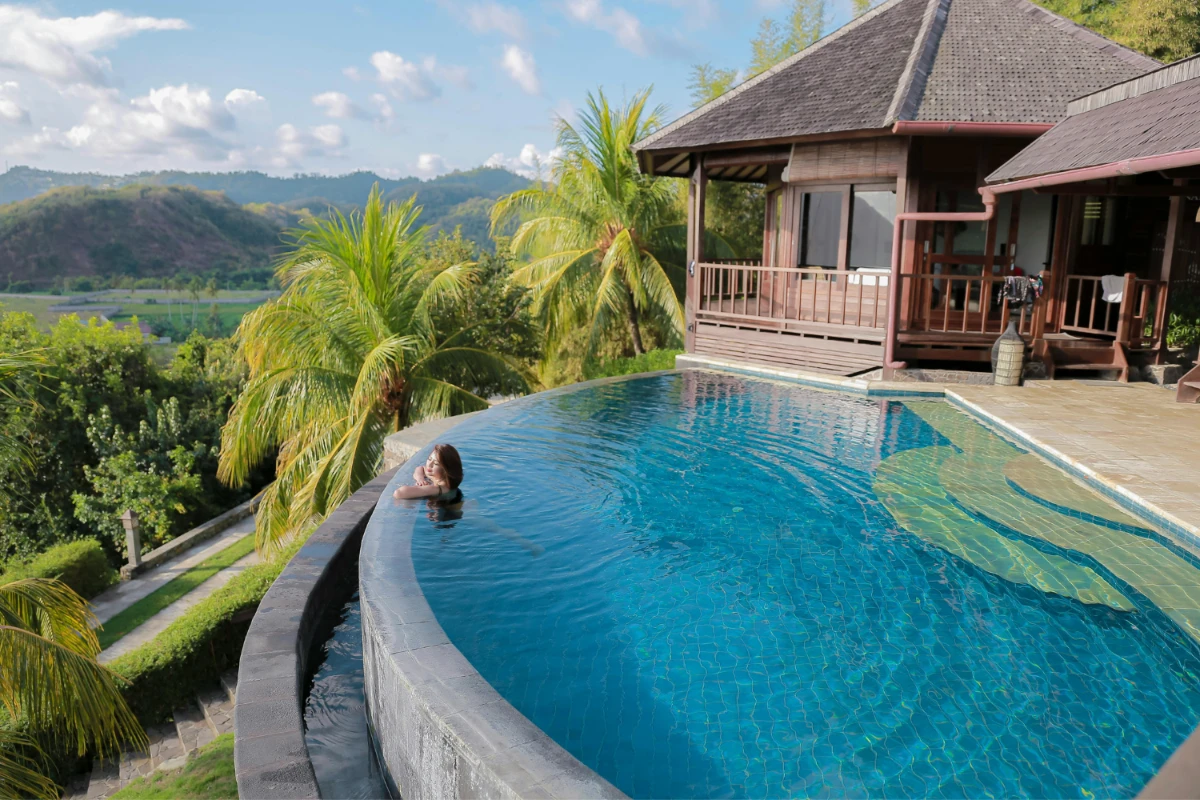
December is generally considered the ‘worst’ for two reasons: the weather and the crowds.
Rainy season kicks off and humidity is at its peak, making even 28-degree days feel uncomfortably sticky.
And because December coincides with Christmas and New Year holidays, Indonesia's most popular island is packed full of tourists – meaning large crowds, and expensive accommodation and flights.
With all that being said, many people love visiting Bali in December as it’s got a lively holiday vibe.

The short answer is no.
However, Bali’s rainy season can increase your risk. Allow us to explain.
Bali belly is caused by consuming contaminated food or water. The main culprits are unfamiliar bacteria like E.coli, viruses, or parasites that your digestive system hasn’t encountered before. It’s essentially your gut meeting foreign bacteria it can’t handle and deciding to violently reject everything (aka vomiting). Not fun.
Sadly, the risk of getting Bali belly can be higher during rainy season because heavy downpours wash rubbish and contaminants into water supplies and onto beaches, potentially compromising the safety of food and water and increasing your chances of ingesting something nasty.
To be 100% clear: it’s not the rain itself that could make you sick – it’s the fact that heavy rainfall can affect water quality and food hygiene standards.
The solution? The same precautions you should be taking no matter what month you visit Bali: stick to bottled or filtered water, be cautious with ice, choose freshly cooked foods, wash your hands regularly, and avoid raw or undercooked dishes from questionable sources.
To be totally honest, many travellers experience Bali belly in their first week regardless of the season as their body adjusts to new food and bacteria. It’s just one of those travel risks, though being extra vigilant about food and water hygiene certainly helps minimise your chances of spending your holiday hugging a toilet.
Swimming in Bali during rainy season is generally safe if you know what to watch out for.
The biggest risk is stronger waves and more powerful rip currents. If you get caught in a rip, don’t panic; swim parallel to the shore until you’re out of it, then head back to land. Always respect red and yellow flags, and if you see red flags alone, stay out of the water.
Another risk to consider is water quality; it can take a hit after heavy rain, with debris washing onto beaches, particularly on the west coast.
If there’s been torrential rain, and you don’t want to risk it, we recommend waiting a day before swimming.
With that said, swimming during rain is fine – it’s actually quite fun! (And you’re going to get wet either way…)
What’s not safe is swimming during thunderstorms. Electrical storms are common in rainy season, and being in the water during one is genuinely dangerous.
The bottom line? Check conditions before you swim, heed warning flags, choose protected beaches, and you’ll be fine.

The Best Luxury Resorts In Bali
 Get ready to dive into a world where luxury meets paradise on Indonesia's most famous and beautiful island.
Hiring Scooters In Bali: A Guide
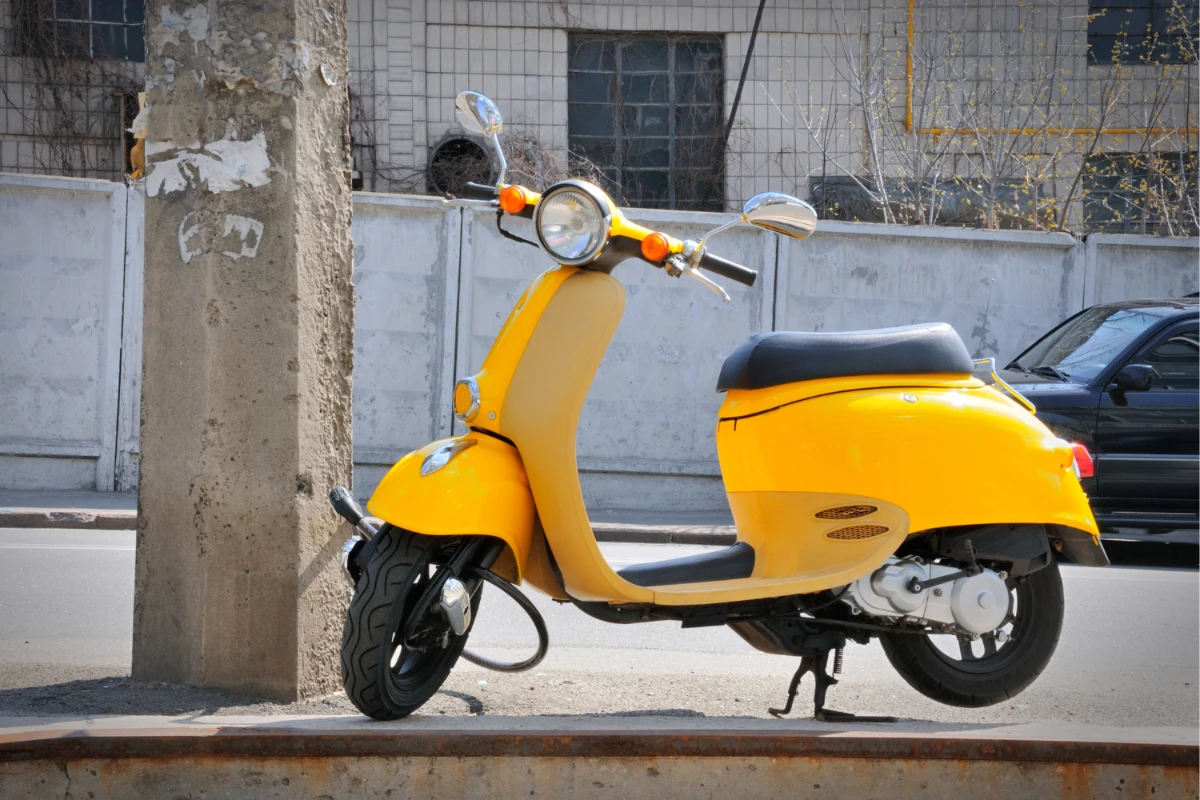 Scooters are one of the easiest ways to get around Bali, but if you’re not smart about when, where and if you ride, it can end in disaster.




 NZ
NZ AU
AU