11% Off Travel Insurance. T&C's Apply.
10% Off* Travel Insurance! Limited time only. T&Cs apply

By Bec Milligan.
Vietnam is hard to describe because it really depends on where in the long, thin country you end up! One Thing’s for sure though, no matter where you go, you’re in for a treat.
Limestone islands rise straight out of the sea in the north. Further down the coast, an old trading town swaps its electric lights for silk lanterns once a month. In the Mekong Delta, you’ll see people selling fruit from boats before breakfast.
If you’re feeling overwhelmed by choice, read on for our favourite things to do in Vietnam as well as our top tips.
From north to south, these are the best things to do in Vietnam (at least according to us!):
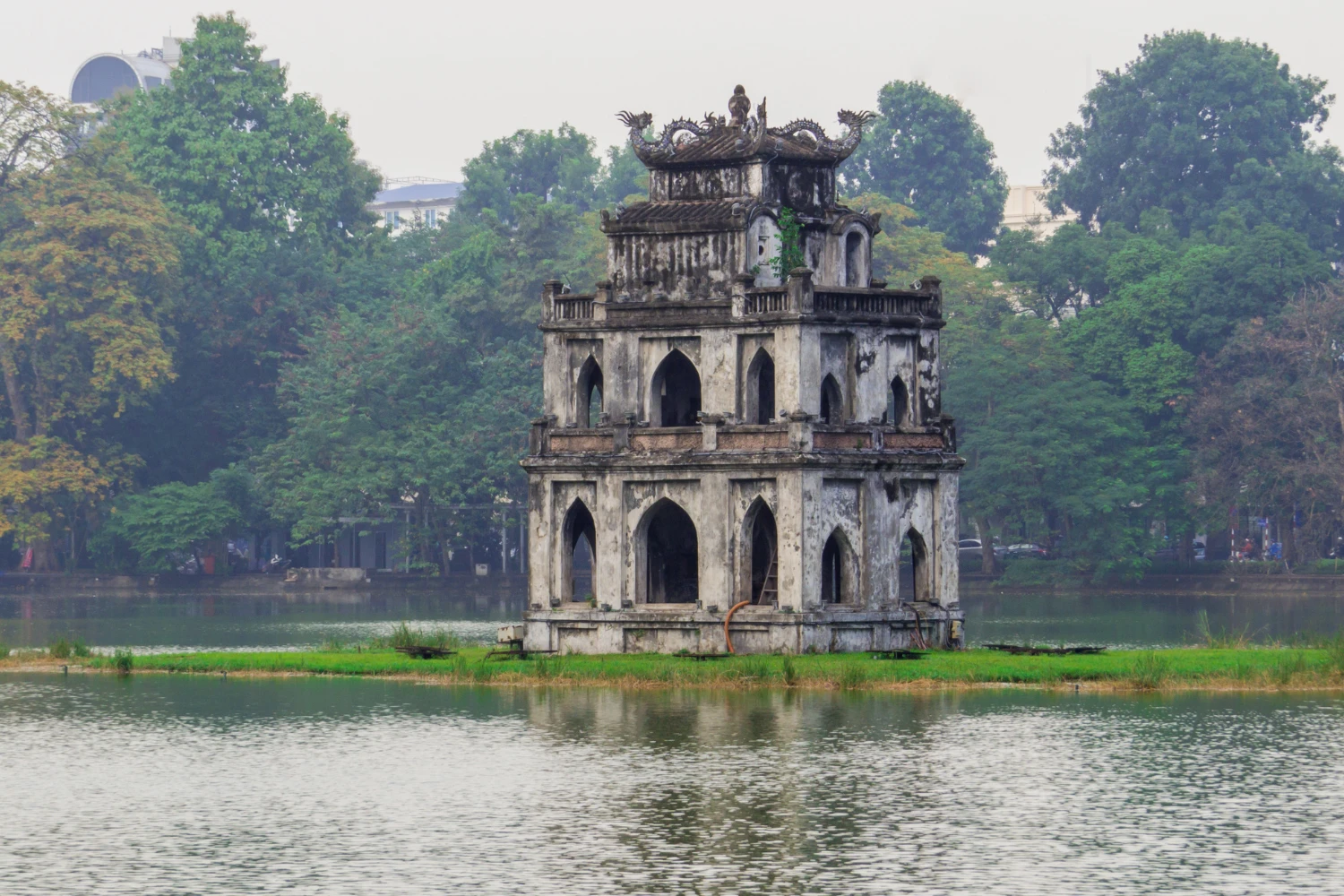
Hanoi is a good place to get your bearings if you’ve never travelled to Vietnam before. Spoiler: it can be pretty chaotic! In the Old Quarter, shops and food stalls fight the motorbikes for the same footpath, and the easiest way to see it is slowly, on foot. Add a loop of Hoan Kiem Lake and the Temple of Literature, which was founded in 1070. And make sure you get an egg coffee – a Hanoi invention. A hotel bartender made the first one in 1946 when he ran short of milk and whisked egg yolk into the coffee instead. Cafe Giang, the family cafe that grew out of it, still serves it on Nguyen Huu Huan Street.
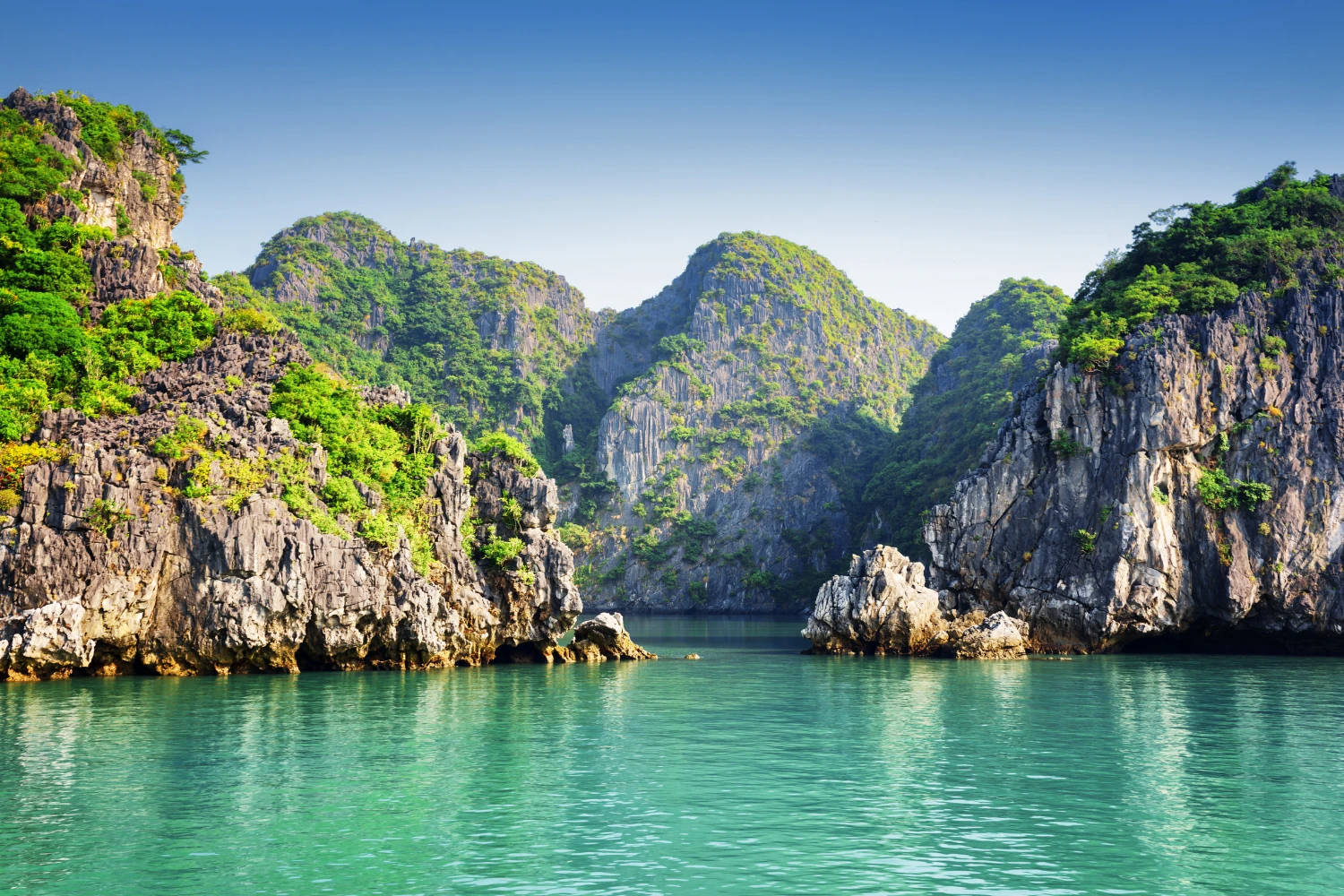
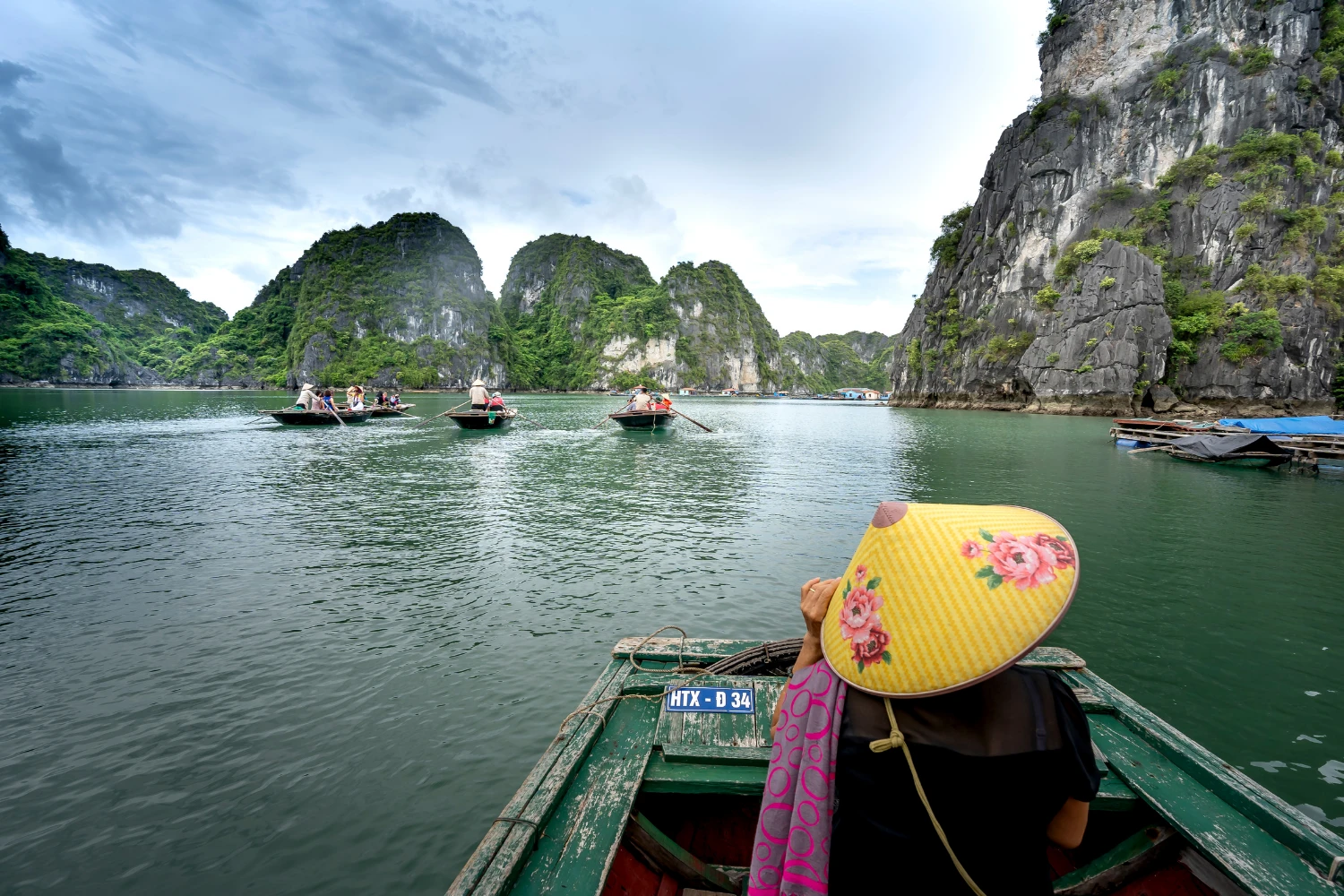
Both Ha Long Bay and Lan Ha Bay are World Heritage listed thanks to the breathtaking limestone islands that rise straight out of the water. As an FYI, Ha Long gets the crowds while Lan Ha (around Cat Ba Island) is usually calmer. A short cruise is the best way to take in the islands, and the most popular option is a one nighter. That way you have plenty of time to see the islands, kayak and swim, and you can watch the sunrise from the deck the morning after. Prices start at NZ$140 per person on budget cruises.
Sapa sits in the northern mountains and is home to visually striking rice terraces. They are greenest from June to August and turn gold around September and October. Just make sure you pack a warm layer, because Sapa can be much cooler than Hanoi. Nearby is Fansipan, the highest mountain in Vietnam at 3,143 metres. The views from the top are worth it. You can trek it with a guide over two or three days, or take a 15 to 20 minute cable car.
This 350 kilometre circuit of mountain roads runs through the Dong Van Karst Plateau Global Geopark in the far north. It is usually done over two to four days. Before you book anything though, know this: New Zealand driver licences and international driving permits are not recognised in Vietnam, so riding a motorbike yourself isn’t legal unless you either convert your existing licence to a Vietnamese one or take the Vietnamese driving test (both of which are very complicated to do). It’s much easier to use an easy rider, a local driver who rides while you sit on the back. Just make sure you pick an operator that gives you a written contract and a proper helmet, and check that your travel insurance covers you as a motorbike passenger.
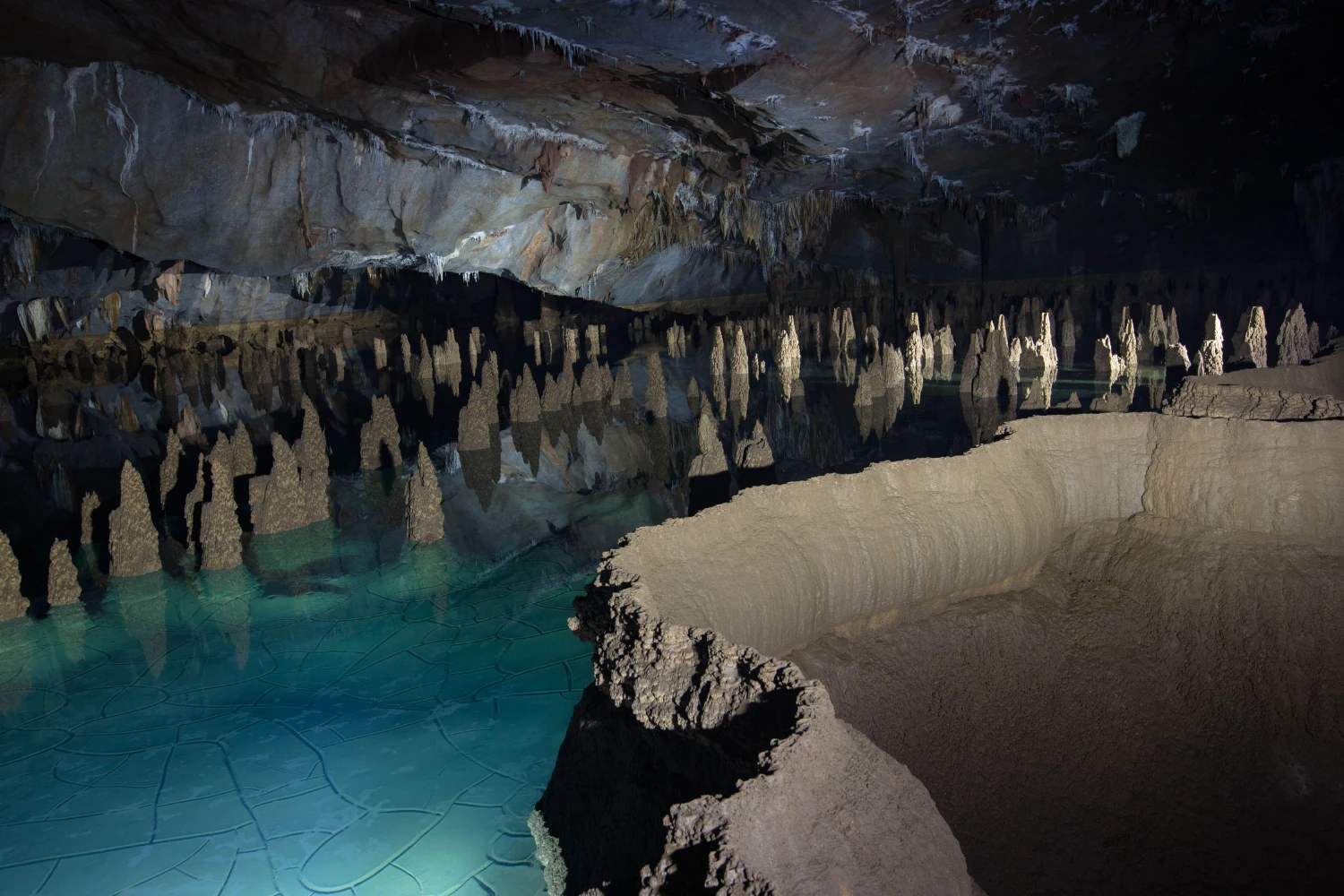
Phong Nha-Ke Bang National Park in central Vietnam is World Heritage listed and has more than 300 caves. Paradise Cave has a long wooden walkway through huge chambers of stalactites. Phong Nha Cave is entered by boat along an underground river. Both can be visited without a guide, with tickets available for purchase at the entrance. On the other hand, Son Doong, the world’s largest cave, can only be visited on a multi-day expedition with the one licensed operator. It’s a serious bucket-list thing to do but costs thousands of dollars a person and places sell out more than a year in advance.
Hue was Vietnam’s capital from 1802 to 1945 and home to all thirteen emperors of the Nguyen dynasty. Its Imperial City has been World Heritage listed since 1993. Inside, you walk through the Ngo Mon gate to the Thai Hoa throne hall, where emperors were crowned. Out of town, the royal tombs are well worth the trip, particularly Khai Dinh’s, which mixes Vietnamese and European design.
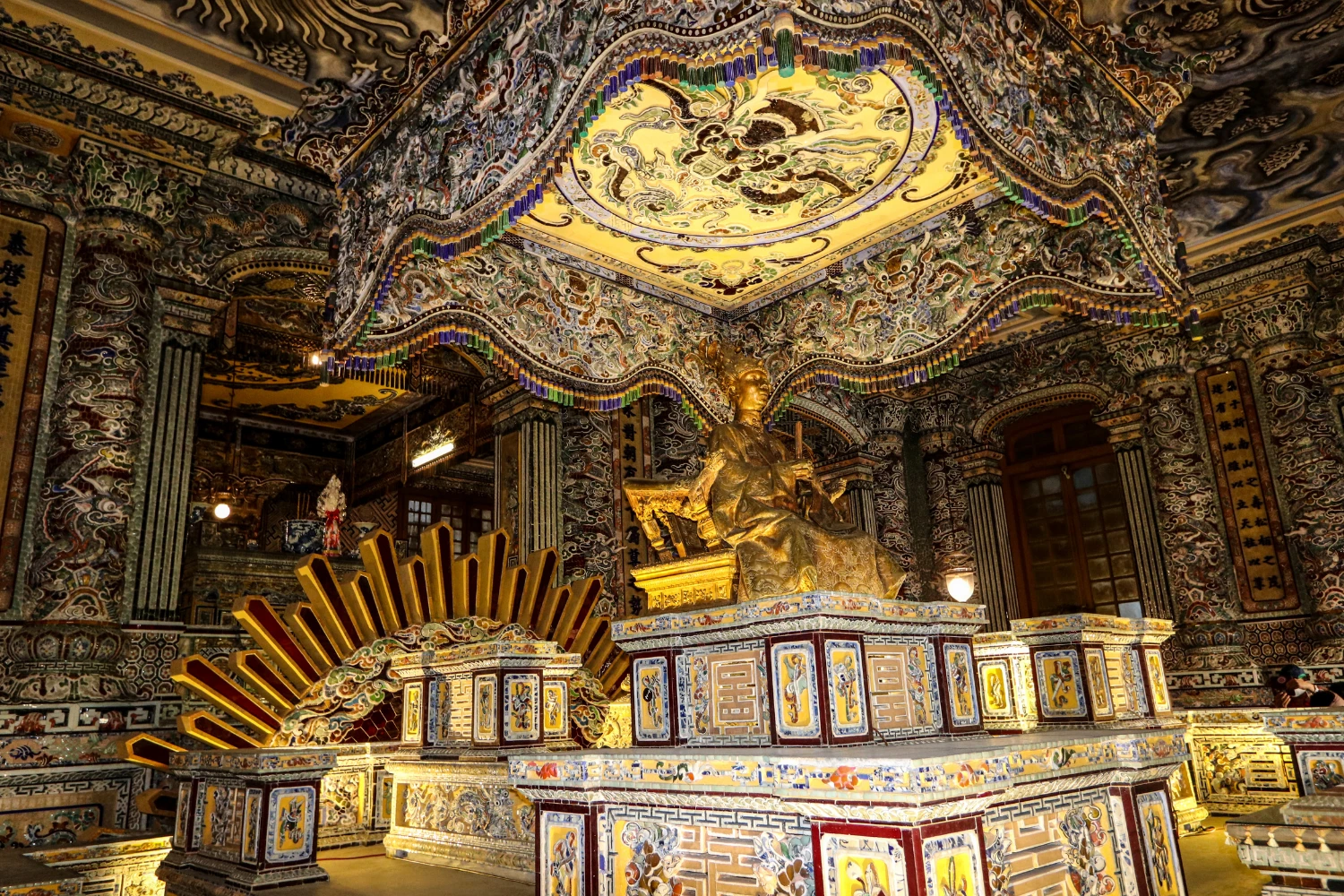
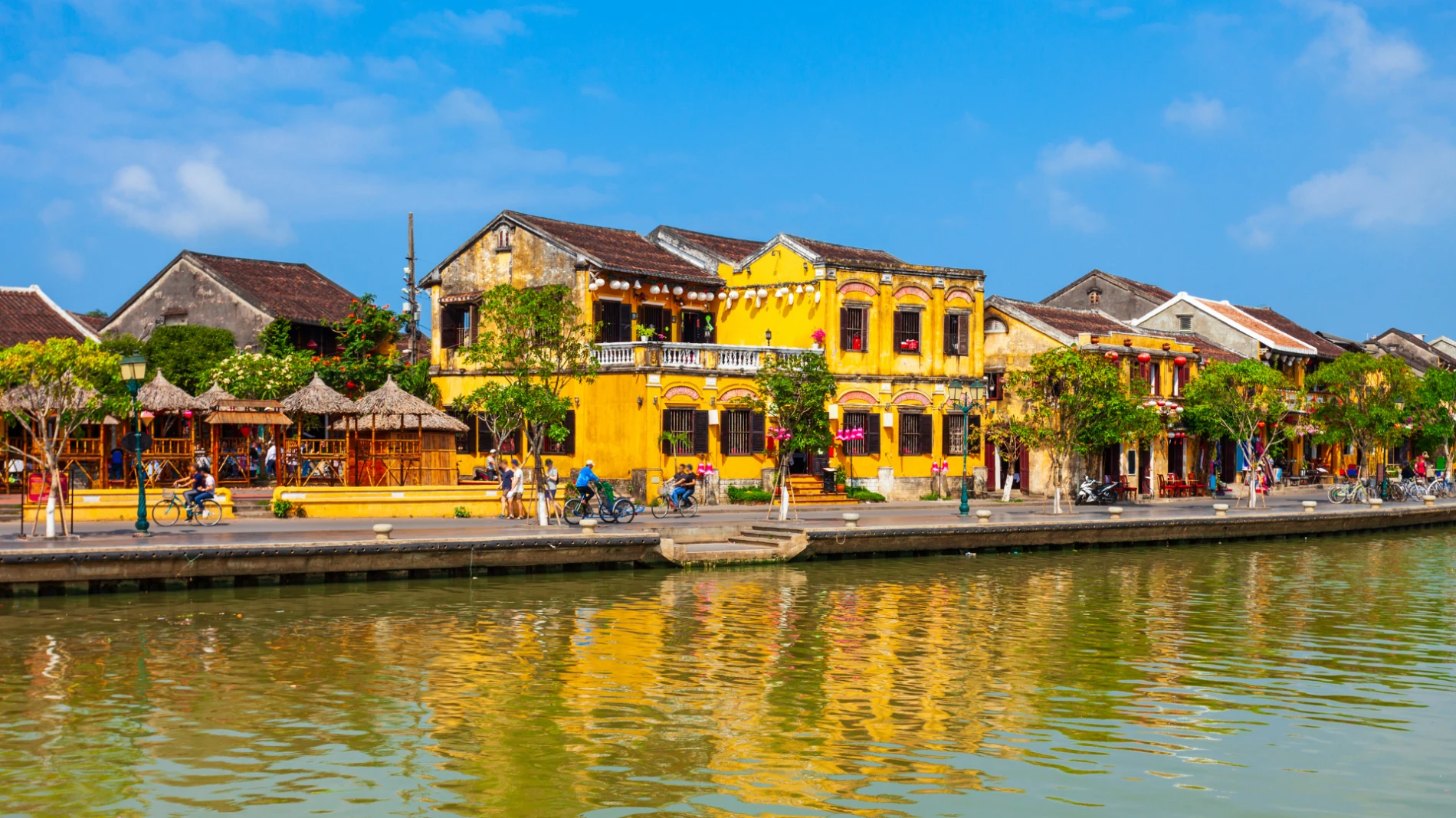
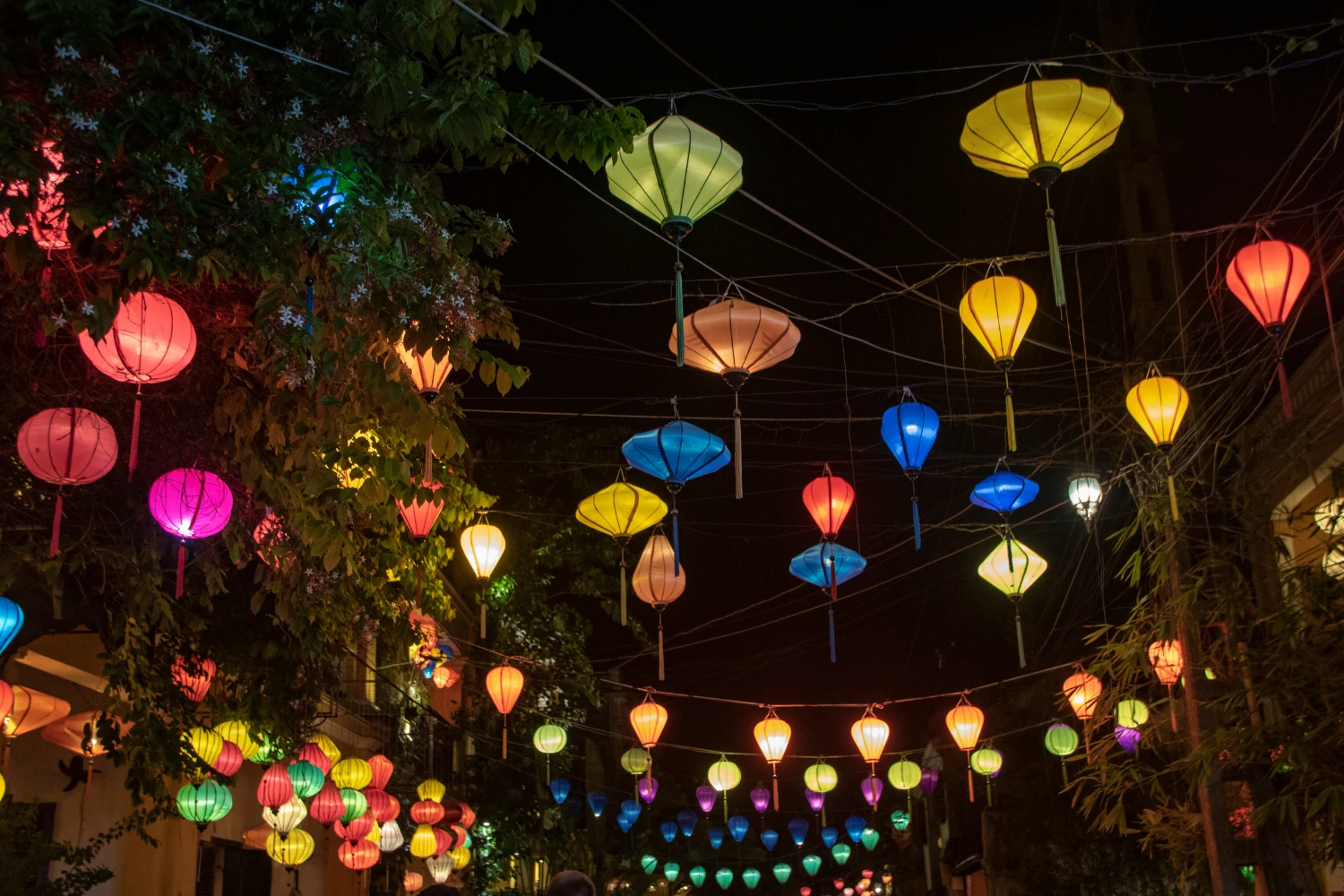
Hoi An’s Ancient Town has been World Heritage listed since 1999, and motorbikes are kept out of large parts of it during the day. A ticket costs 120,000 dong (about NZ$8) and gets you into five of roughly 22 heritage houses, temple halls and museums. Walking the lanes is free. If you can swing it, visit on the 14th night of the lunar month, as the town always switches off its electric lights and fills the streets with silk lanterns; it’s STUNNING! Hoi An is also known for its tailors that are both high quality and reasonably priced, so bring a photo of things you want made.
The War Remnants Museum covers the Vietnam War (and the French war before it), and some of the photographs are eye-opening and confronting. It opens at 7.30am daily and you can either purchase tickets there or online. Most people spend one and a half to two hours there. And if you’re up for a half-day trip from Ho Chi Minh City, make sure you also check out the Cu Chi Tunnels, an underground network used during the wars against the French and the Americans.
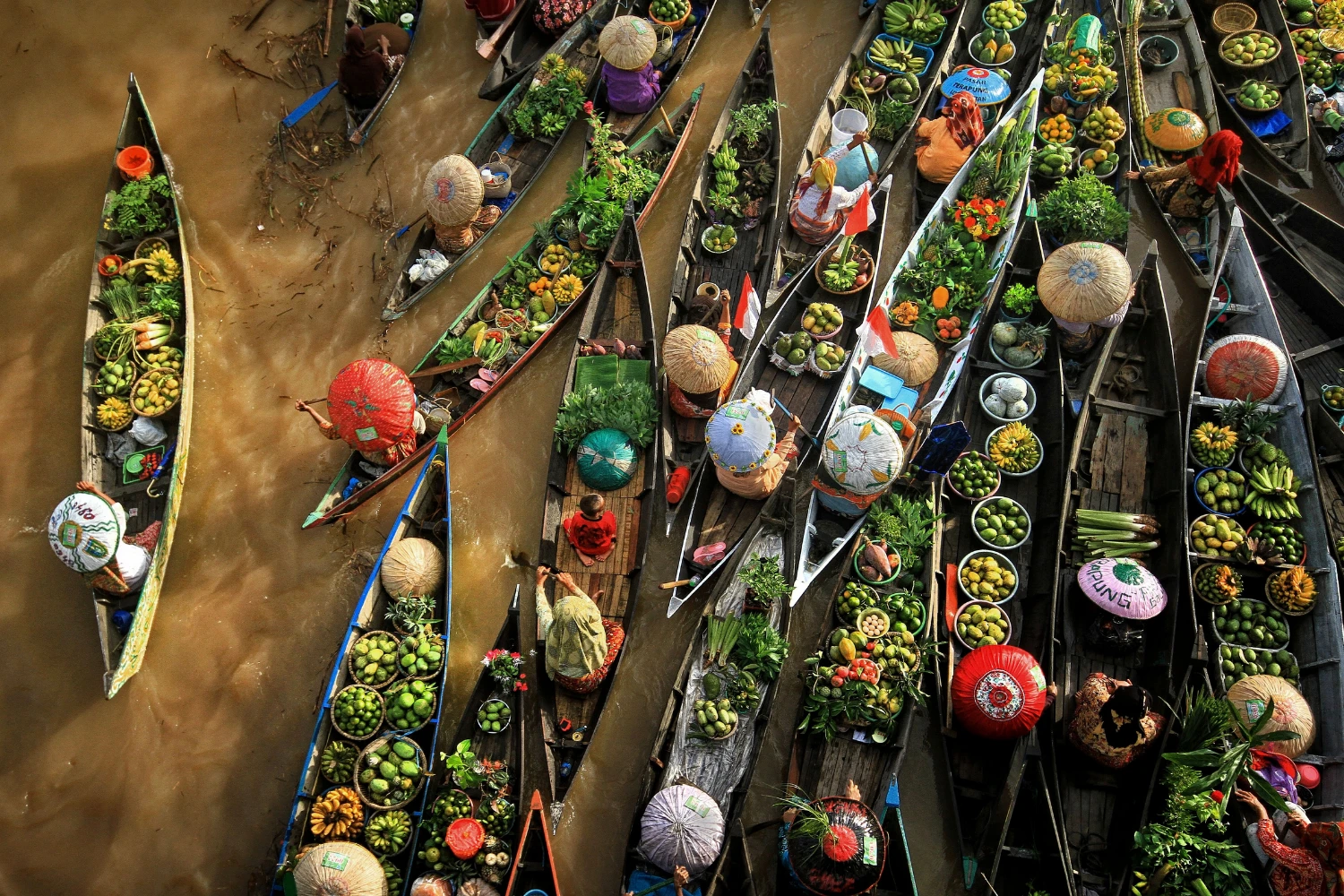
Cai Rang floating market is on the Hau River, near Can Tho, and boats loaded with fruit and vegetables trade at their busiest from about 5.30am to 7am. It has become very popular with tour groups, so if you’d like a quieter morning, try Phong Dien instead. Stay the night in Can Tho (about 170 kilometres south-west of Ho Chi Minh City) rather than attempting a day trip from the city, because the market winds down by 8am and you won’t want too early a start!
Low plastic stools are everywhere in Vietnam – outside pho stalls in Hanoi and at pavement cafes across the country – and they are the surest sign you’re eating where locals eat. They are tiny, bright and close to the ground, and no one will mind that you look a bit silly on one. The same goes for bia hoi, the fresh draught beer sold at roadside corners. Sit down, point at what the person next to you is eating and order the same.
Kiwis call it the Vietnam War, while in Vietnam it is usually called the American War, and many families have a story of their own from it. Experiences differed widely depending on where and on which side people lived, so views do too. If a local starts the conversation, listen and join in. If no one has brought it up, leave the topic alone.
One more rule before you fly: vapes and e-cigarettes are illegal to bring in or use in Vietnam, so leave them at home.
Yes, NZ$1000 for a week in Vietnam is doable, but it’s a tight budget. Here’s how to split it across your seven-day trip:
- Accommodation will use up the most of a $1000 budget. But you should be able to get a private room in a three-star hotel for about $55 to $105 a night. For six nights at $55, that works out to be $330. Obviously, hostels and homestays will cost less.
- On average, people spend about $30 a day on food (which works out to be $210 total for a week). But that’s if you do a mix of street food (which is very cheap; we’re talking $6 maximum for a meal) and sit-down meals.
- We recommend budgeting about $150 for travelling around Vietnam. The easiest way to get around is via Grab (a ride-hailing app similar to Uber), which you can use to book a car or hop on the back of a motorbike with a local driver. For longer trips between cities, you can take trains and buses.
- Activities and sightseeing are the best part of any trip. In Vietnam, most sights cost only a few dollars so a weekly budget of $120 should suffice. New Zealanders need a visa to visit Vietnam, but it only costs around $44.
- New Zealanders need a visa to visit Vietnam, but it only costs around $44.
All of that ends up totalling $854. This doesn’t include flights from New Zealand to Vietnam though. Return flights can set you back anywhere from $950 to $1,500 (depending on the airline and the time of year). And if you want to cover more than one region of Vietnam, domestic flights are relatively cheap but they do add up.
Tip: Carry cash in Vietnam. Street stalls, markets and small guesthouses are typically cash only. And make sure you withdraw larger amounts less often because ATMs in Vietnam charge fees (around $2 to $4) for withdrawals.
 From booking it at the best possible price to getting a few Zs, here's how to have a successful flight.
Do New Zealanders Need A Visa For Vietnam?
 The answer is yes, Kiwis do need a visa, but we’ve broken down everything you need to know (and do) before you jet off.



 NZ
 AU